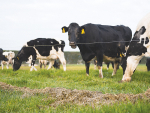
Transition makes or breaks reproduction
By September, most herds are already calved and are heading towards mating. The window to influence pre-calving minerals has passed, and decisions made in the transition period are only just becoming obvious.




 increase font size
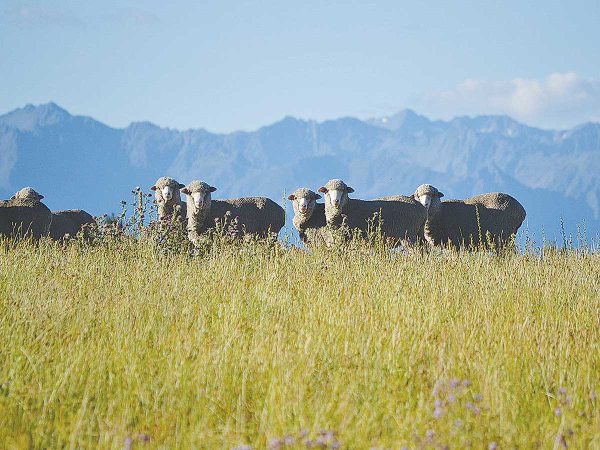 CP Lime Solutions has announced their new range of Vitalise mineral supplements for sheep.
Ensuring livestock receive a balanced and adequate mineral intake is essential for optimal health and productivity, as they play crucial roles in various physiological processes, including growth, reproduction, and disease resistance.
CP Lime Solutions has announced their new range of Vitalise mineral supplements for sheep and beef, using micronised mineral pellets containing calcium, magnesium, phosphorus, sodium and trace elements.
The company has provided mineral supplements for dairy cows over the last 17 years, but a growing demand from sheep (especially fine wool) and beef cattle farmers for minerals that can be fed ad-lib in the paddock has seen the range expanded.
Looking at minerals in more detail, calcium and phosphorus are fundamental for the development of strong bones and teeth in livestock. Any deficiency in these minerals can lead to skeletal abnormalities and reduced growth rates.
By incorporating mineral supplements into the diet, farmers can ensure that their animals receive the necessary nutrients to support robust growth and structural integrity. This is particularly important for young animals whose rapid development demands higher mineral intake.
Reproductive efficiency is another critical factor in the profitability of pastoral farming, with trace minerals such as zinc, selenium, and copper having been shown to influence fertility positively.
As an example, zinc plays a vital role in hormone production and ovulation, while selenium is essential for sperm motility and overall reproductive health. Supplementing livestock diets with these minerals can lead to improved conception rates and healthier offspring, thereby enhancing the sustainability of the farming operation.
In the dairy sector, milk yield and quality are directly linked to mineral nutrition, with calcium in particular, being a major component of milk and required in significant amounts during lactation. Insufficient calcium levels can result in decreased milk production and conditions such as milk fever. CP Lime Solutions says Vitalise mineral products are formulated to provide adequate calcium and other essential minerals, supporting optimal milk production and quality.
A well-functioning immune system is essential for livestock to resist infections and recover from illnesses, with minerals like zinc and selenium known to bolster immune responses. Zinc is linked to maintaining skin integrity and wound healing, while selenium acts as an antioxidant, protecting cells from damage. Regular supplements containing these minerals can reduce the incidence of diseases, leading to lower veterinary costs and improved animal welfare.
Metabolic disorders, such as grass tetany and milk fever, can also be linked to mineral imbalances. For example, grass tetany is associated with low magnesium levels and can be fatal if not addressed promptly.
Incorporating magnesium- rich supplements can help prevent such conditions. Similarly, ensuring adequate calcium intake pre- and post-calving can mitigate the risk of milk fever, while promoting smoother lactation transitions.
Investing in high-quality mineral supplements can lead to significant long-term savings, as healthy animals with balanced mineral nutrition exhibit better growth rates, reproductive performance, and disease resistance, leading to increased productivity and reduced healthcare expenses. Moreover, preventing mineral deficiency- related issues before they arise is more cost-effective than treating them after they develop.
www.cplimesolutions. net.nz
By September, most herds are already calved and are heading towards mating. The window to influence pre-calving minerals has passed, and decisions made in the transition period are only just becoming obvious.
The future of New Zealand’s agricultural sector grew a little brighter, with the South Island Agricultural Field Days (SIAFD) now accepting applications for its scholarships through Lincoln University, offering $10,500 to up to six exceptional students who are poised to become the next leaders in the primary industries.
We've come a long way in dairy farming over the past couple of decades. Genetics are better, sheds are more modern and we have more data at our fingertips than ever before.
As the maker of the TPW Woolpress celebrates its 50th anniversary, one Christchurch company is singing the praises of the machine, which has been a centrepiece of its operation for most of that time.
Rakaia-based equipment manufacturer Pluck’s Engineering will soon start production of a new machine designed to simplify the deployment and retrieval of temporary water troughs used in winter break feeding.


Farmer-owned fertiliser company, Ballance Agri Nutrients is welcoming National’s plan to negotiate security agreements with key supplier countries to protect New Zealand-bound products from export restrictions and greater supply chain certainty.

Carrfields has announced the appointment of Stu Hall to the newly created role of chief operating officer, Carrfields Ltd, reflecting the continued growth of their agribusinesses and the need to ensure the company has the leadership capacity and support in place as it pursues the emerging opportunities ahead.
New Zealand's role is not to compete with Indian growers, according to NZ Apples and Pears.
The potato industry is celebrating the success of two rising stars - James Blair, the 2026 Young Grower of the Year and runner-up and innovation award winner, Amber Davy.
Twenty-eight emerging leaders from across the horticulture sector spent two days last month learning valuable skills and connecting with industry experts.
There are five entrants in this year’s Young Horticulturist of the Year, competing in a series of technical, practical, business and leadership challenges.


OPINION: The same mainstream media muppets that brought you Jacindamania in 2017 have been flat out pimping for the Opportunities…
OPINION: Your old mate reckons the atrocious way farmers in the UK are treated by their lords and masters in…




