
Farmers Warned Over Track Dangers After Wairarapa Floods
The terrible floods that hit the Wairarapa may have subsided, but the danger to farmers still exists, according to local Federated Farmers president Rob Hickson.




 increase font size
 Rural Support Trust chairman and group spokesman Neil Bateup.
Scattered rain over the past few weeks has been enough to encourage new pasture growth, helping to raise morale amongst Waikato’s farmers.
That’s the view of the Waikato Primary Industry Adverse Event Cluster core group, which met on April 2 to review the dry conditions and how farmers are coping.
“The amount of rain that fell varied greatly across the region,” said Rural Support Trust chairman and group spokesman Neil Bateup. “But combined with rain from a couple of weeks ago it’s been enough to get things going, with paddocks greening up already.
“For some dairy farmers though, the rain and pasture growth has come a little too late and they’ve already started to dry off herds.
“We have also heard reports that some farmers have started eating into their winter reserves, so there could be challenges come spring,” Bateup said.
“However, forecasters are predicting that autumn in the top half of the North Island is going to be warm, which could bode well for pasture growth. And by the beginning of May, we should see a return of the usual rainmaking cycles.”
Overall, it appears farmer spirits have lifted markedly in the region, so the group has decided to meet only alternate months, Bateup says.
“We’ll be keeping an eye on the conditions, and encourage farmers to keep monitoring their positions and make decisions as they need to.”
The terrible floods that hit the Wairarapa may have subsided, but the danger to farmers still exists, according to local Federated Farmers president Rob Hickson.

With forecasters advising El Niño conditions will develop through winter and strengthen into spring and summer, Ballance Agri-Nutrients is encouraging farmers and growers to think ahead about nutrient planning and be prepared to work around challenging weather conditions.
New Zealand’s rural sector has once again demonstrated its generosity, with the second Rural Industry Leaders Dinner, Debate and Auction raising an impressive $400,000 for the Rural Support Trust.
The Rural Support Trust is hosting a series of community wellbeing events featuring former NZSAS soldier and Victoria Cross recipient Willie Apiata.
Recent weather events in the Bay of Plenty, Gisborne/Tairawhiti, and Canterbury have been declared a medium-scale adverse event.


Red meat farmers are welcoming Labour’s plan to review the Emissions Trading Scheme and not to campaign on pricing agricultural emissions.
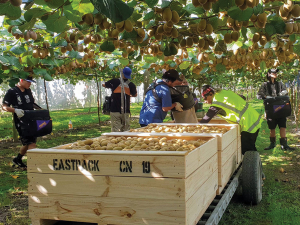
Where any worker in the kiwifruit industry is mistreated, we expect the authorities to take action.
Mid Canterbury Federated Farmers arable chair, Bevan Lill, said Beef + Lamb NZ data indicated that for the last six years, the average arable return on investment was about 0.8% while inflation ran about 4% - so the average arable farm was going backwards at about 3% a year.
Seed and grain companies share the concerns of arable farmers about the viability of their sector, says Seed and Grain New Zealand chief executive Dr Sarah Clark.
The New Zealand Institute of Forestry (NZIF) says unnecessary changes to New Zealand’s Emissions Trading Scheme (NZ ETS) will seriously erode investor confidence and result in significant reductions in forest planting rates.
For the first time in a quarter of a century, Federated Farmers has something positive to say about the Labour Party’s climate change policy leading into a general election.


OPINION: The same mainstream media muppets that brought you Jacindamania in 2017 have been flat out pimping for the Opportunities…
OPINION: Your old mate reckons the atrocious way farmers in the UK are treated by their lords and masters in…




