Wool continues to ease
The 7250 bales of North Island wool on offer saw a 72% clearance with most types easing further.




 increase font size
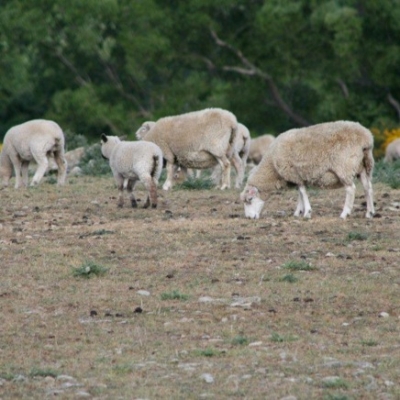
Wool growers wanting to take advantage of premium wool prices need to watch out for vegetable matter in the dry conditions, says NZ Wool Services International’s Purelana manager, Malcolm Ching.
“Normally around drought time with animals pushing in for feed, they push a bit harder under bushes and under trees and you also get a weed and seed burst,” Ching told Rural News. “We get a higher incidence of vegetable matter.”
Ching, who is responsible for farmer liaison, recommends more preparation and trying to remove during shearing time the wool that is contaminated with seed.
“It has a high priority from here on because if a lot of it comes onto the market like that then you will see substantial discounts for wool that has seed and vegetable matter in it compared with wool that is seed free.”
Farmers will need to weigh up whether they hold stock and feed and shear them, or whether they send them to the works without shearing.
“In a drought, when you shear an animal it wants to eat, so if you shear them and don’t have the feed you’ll stress your animals. So it’s a fine balance for some farmers whether they hold them, shear them and have enough feed, or don’t have enough feed, don’t shear they and send them to the works with the wool on.”
He says this is likely to cause a shift in the percentage of shorn wool against slight wool on the market. “There are quite a few markets in the world that have no problem having slight wool in their products. It just limits the amount of wool available for those that can’t take it, who want only pure shorn wool.”
He says there will be pockets of farmers having to decide about stock but the drought is not national. “It will have an impact but it’s not going to be a massive impact so that little shift we have there has more positives for the wool price than negatives.”
The 7250 bales of North Island wool on offer saw a 72% clearance with most types easing further.
New Zealand Wool Services International marketing executive, Malcolm Ching reports that the 15,000 bales on offer from both centres this week saw a slight easing for most types.
A versatile and stylish South Island selection on offer this week saw most types well supported, despite a slightly firmer NZ dollar, says NZ Wool Services International's chief executive John Dawson.
NZ Wool Services International's North Island offering of 5400 bales received strong support with 99% selling, chief executive John Dawson says.
The 5100 bales of South Island wools on offer this week through the Wool Services International auction saw strong competition and a 90.5% clearance.



Healthy snacking company Rockit has announced Wang Yibo, one of China's most influential celebrities, as its new brand ambassador.

Rabobank has celebrated the tenth anniversary of its AgPathways Programme, with 23 farmers from Otago and Southland gathering for two-and-a-half days to learn new business management and planning skills.
Adopting strategies to reduce worm burden on farm goes hand-in--hand with best practice farm management practices to optimise stock production and performance, veterinarian Andrew Roe says.
Last night saw the winners of the 2026 Beef + Lamb New Zealand (B+LNZ) Awards named at a gala dinner at Te Pae Christchurch Convention Centre.
A 12-month pathway programme has helped kickstart a career in dairy for an 18-year-old student-turned-farmer.
Zespri says its global fruit sales revenue has reached a record NZ$5.9 billion from sales of 248.1 million trays.




OPINION: The old saying 'a new broom sweeps clean' doesn't always hold up, if you ask the Hound.
OPINION: This old mutt went to school to eat his lunch, but still knows the future of the country, and…