
Editorial: Making Water Storage Easy
OPINION: Making it easier to collect rainwater and use it to grow crops and livestock is a no brainer.




 increase font size
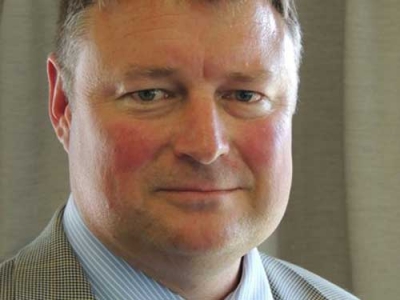 Rob Hewitt, Silver Fern Farm.
It seems that farmer/shareholder ownership of primary sector entities is almost worshipped in some quarters.
Fonterra is often held up as the Holy Grail – although many dairy farmers may dispute this given the current season’s low payout.
Of course, Westland Dairy and Tatua, and both the major fertiliser companies, are co-ops, as are many others such as rural supplier Farmlands and insurance company FMG. All these companies are viewed as successful and sustainable operations. But is that because of their co-operative structure or their business models?
An area of the agriculture sector where the co-operative model has not been a huge success is the meat industry. Two major players in this industry – the Alliance Group and Silver Fern Farms – are cooperatives, and even in ‘good’ years their profits are meagre in respect of the investment tied up in the businesses.
However, these meat co-ops are not alone in suffering poor returns on capital: most of the privately owned entities in the sector also struggle for profitability.
For months now, Silver Fern Farms has been looking for a capital injection – thought to be around $100 million – to shore up its balance sheet and appease its bankers. This has raised the prospect of an outside shareholder – possibly foreign – taking a stake in the company. This idea horrifies some in the agriculture sector – as well as opportunistic politicians.
Surely an outside shareholder in SFF would be a far saner option than that suggested by NZ First – that the Government “bail out” the meat exporting company.
Why on earth should taxpayers invest money in a co-operative when its own farmer shareholders won’t?
Rumour has it (at time of writing) that China-based Bright Foods is in the offing to inject much-needed major new capital into SFF. The Chinese firm already has investment in NZ agriculture via its tie-up with Synlait Milk. The Bright connection is credited with helping Synlait to penetrate not just the Chinese market, but others in Asia.
Such a tie-up could be a big help to SFF, given that China is the company’s largest market. In the year ended September 30, 2014, SFF’s exports to China earned it $385.6 million – up from $332.4m the previous year
Some shareholders stoutly oppose any outside investment; so how about they put their money where their mouths are and stump up the necessary capital. If they can’t or won’t then their opposition is pointless.
OPINION: Making it easier to collect rainwater and use it to grow crops and livestock is a no brainer.
OPINION: New health and safety guidance unveiled by the Government recently provides farmers greater certainty about what is expected of them when managing risks on farm.
OPINION: Have a plan in place now!
OPINION: The stats speak for themselves.
OPINION: David Seymour and James Meager's plan to make it easier for farmers and orchardists to operate drones can best be described a 'courageous' move.


Alliance is calling for final applications for its 2027 Graduate Programme, with applications closing on Sunday 25 October.
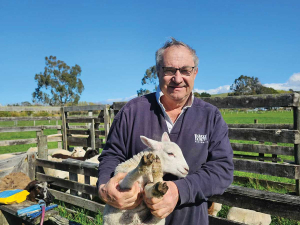
Decades piloting planes has ensured vet and farmer David Hayes is focused on safety. So, after a serious accident while welding on farm, he is sharing his experience so others can learn from it.
Canterbury milk processor, Synlait Milk has confirmed Leon Fung as its chief executive officer.
OPINION: Making it easier to collect rainwater and use it to grow crops and livestock is a no brainer.
As part of its Election 2026 coverage, Rural News asked political parties how they would help pull the arable sector out of the doldrums. Here's what they said:
Farmers are being encouraged to rethink how they manage waste on farm with the launch of ruralwastesorted.co.nz, a new website bringing together practical tips, real farmer experiences and resources.



OPINION: The same mainstream media muppets that brought you Jacindamania in 2017 have been flat out pimping for the Opportunities…
OPINION: Your old mate reckons the atrocious way farmers in the UK are treated by their lords and masters in…




