Resilience is 'Getting Back to Normal'
OPINION: Humans are resilient. We are part of nature and have evolved for survival.




 increase font size
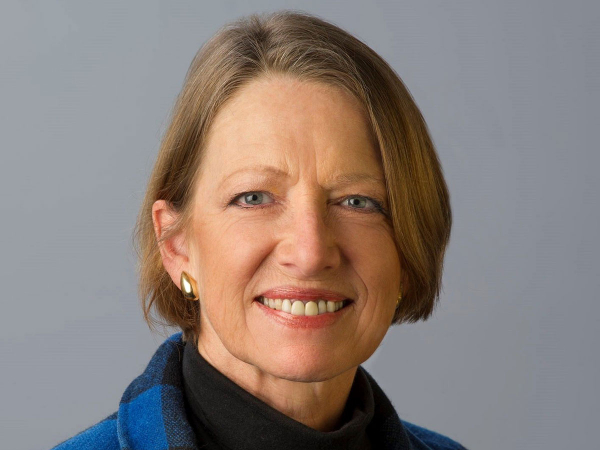 Jacqueline Rowarth
OPINION: Towards the end of February, we were hit with media coverage of a new report linking colorectal cancer and high nitrate drinking water in New Zealand.
This isn’t the first time that the finger has been pointed at agriculture causing a health problem.
Each time, agricultural scientists point out that the World Health Organisation report published in 2017 drew a blank on any sort of cancer linked to high nitrates. Nutrition scientists explain that nitrate is metabolised before it reaches the lower gastro-intestinal tract, which means that there is no plausible mechanism for causing cancer.
And the recent New Zealand State of Cancer Report from the Cancer Control Agency did not mention drinking water or nitrate at all. What it did report was a 25% lower incidence of cancer in rural dwellers than in people living in urban areas.
Further, the report was actually a survey of nitrate in drinking water that indicated if the Danish research were true, then people in NZ could be vulnerable. But the Danish research has not got traction whereas the WHO report has.
None of these facts were mentioned in the media interviews.
The fuss was created by a freshwater ecologist and amplified by Greenpeace, using words such as ‘robbed’ and ‘poisoning for profit’, thereby creating anger, as well as anxiety.
After a couple of days, an interview with Professor Frank Frizelle, Professor of Colorectal Surgery at the University of Otago, appeared. He dispelled any notion of a link, describing it as a red herring.
Professor Frizelle is an expert in the discipline of colorectal cancer. He is a medical adviser to Bowel Cancer NZ and is also Editor in Chief of the New Zealand Medical Journal.
And he is easily found by a search engine.
Verification from credible and qualified sources used to be the first step in ensuring news was reliable. Some of the current media reality appears to avoid that step.
Craig Silverman, author of the Tow report “Lies, Damned Lies and Social Media”, suggested that online media frequently promote misinformation in an attempt to drive traffic and social engagement.
“Lies spread much farther than the truth, and news organisations play a powerful role in making this happen”. Stories are designed to create emotional responses in the audience, particularly anger, anxiety, disgust, awe, excitement and humour. These are the main drivers for ‘sharing’ according to Wharton Business School researchers.
By the time Professor Frizelle was interviewed, both anger and anxiety had been felt in various members of society – and possibly some of the other emotions as well.
Even a single exposure to a fake headline makes it seem truer, but research just published from Harvard University reports, “surprising value of debunking fake news after exposure, with important implications for the fight against misinformation”.
In 2018 an article in Harvard Business Review stated that executives must be prepared to communicate the facts quickly and to correct the fictions before they spread too far. The same applies to experts in science and other disciplines.
If it is wrong, correct it.
The challenge for the layman comes when they hear different stories from different scientists. The key is then identifying who has the credentials – as Professor Frizelle has in cancer.
Science communicators, who are often trying to set new results in context, will cite the researchers that they are quoting, and will (at least in theory) have checked the validity of the research.
Fake news is the scourge of the airwaves. False news stories are 70% more likely to be retweeted than true stories and that it takes true stories about six times as long to reach 1,500 people as it does for false stories to reach the same number of people. This is research from MIT – and the researchers urged a simple idea: think before you retweet.
Sharing the good news about healthy country living is a different matter.
Dr Jacqueline Rowarth, Adjunct Professor Lincoln University, is a farmer-elected director of DairyNZ and Ravensdown. The analysis and conclusions above are her own. This email address is being protected from spambots. You need JavaScript enabled to view it.
OPINION: Humans are resilient. We are part of nature and have evolved for survival.

OPINION: Is New Zealand ‘Godzown’ or the ‘Last bus stop on the planet’?
OPINION: "The worst thing that agriculture does is take land from nature."
OPINION: Information is everywhere. So are misinformation and disinformation.
OPINION: Farmers are the biggest investors in research in New Zealand. Whether through taxes, rates, co-operative company retentions, or industry-body levies… or the time they spend ‘in kind’ working with researchers, or the dollars they invest in start-up companies or their own ideas, the financial commitment is considerable.

Esther Guy-Meakin has been announced as the new chief executive of the New Zealand Meat Board (NZMB).
According to a progress report on the Aotearoa Horticulture Action Plan (AHAP), New Zealand's horticulture sector is making real progress on the big issues facing growers.
A team effort that is paying dividends for the wider New Zealand economy.
A strong sense of community involvement is what propelled the Federated Farmers' North Canterbury president Bex Green to the honoured title of the Feds' Advocate of the Year 2026.
The country's second largest milk processor is warning against 'complacency' during a review of competition regulations in the dairy sector.
Oamaru-based livestock handling specialist Te Pari has bought Combi Clamp, the New Zealand manufacturer of Combi Clamp manual sheep handlers.



A fair question has been raised about how member-funded organisations should conduct themselves when taking a public position on any…
OPINION: It really is getting harder to lampoon government bureaucrats when they do such a good job of it themselves.…