BNZ and Pāmu Launch New Native Forest Revenue Model for New Zealand Landowners
Bank of New Zealand (BNZ) and Pāmu (Landcorp Farming Limited) have developed a new way for landowners to earn revenue from existing native forests.




 increase font size
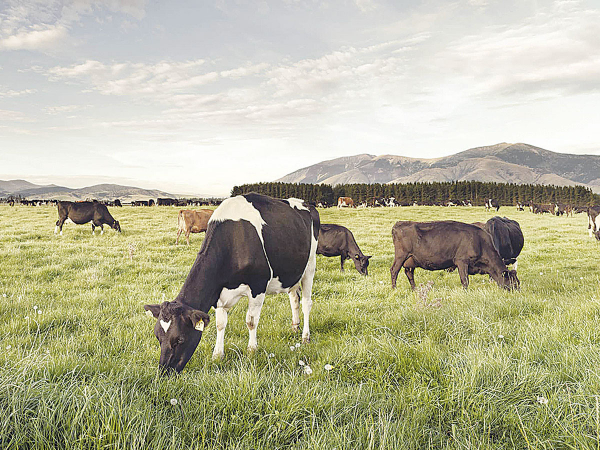 Throughout most of this year, primary product prices have been relatively strong.
OPINION: In 2009 former coach Sir Steve Hansen coined the infamous phrase “flush the dunny” after the All Blacks gave a poor, yet winning performance against Italy.
Many in the rural sector would happily recycle Hansen’s notorious words to describe the past year in farming as it quickly comes to an end – 2022 has been a frustrating year.
Throughout most of this year, primary product prices have been relatively strong and have helped buffer farmers from the explosion in on-farm costs and growing red-tape. However, as the year nears its end, they now face clear downward pressure as economic conditions deteriorate offshore.
BNZ senior economist Doug Steel describes the signs as looking “ominous”.
He points out that over the past six months, global dairy prices have dropped 19%, offshore lamb and mutton product prices have fallen by as much as 27%, while world beef price indicators are down 23%. Meanwhile, a strengthening New Zealand dollar will cause primary producers more grief with commodity prices.
Poor immigration settings and a refusal by government and officials to make it easier to employ overseas workers has left many farmers and growers grossly understaffed. This has created a ticking time bomb in the sector, with numerous crops left unharvested and the potential of huge mental health issues as overworked staff face burnout.
The much hyped and vaunted ‘industry response’ on farm emissions mitigation was largely torn up by the Government late in the year. This left industry groups red-faced and impotent – with their supposed advocacy on behalf of farmers clearly shown not to have worked.
Levypayers, many of whom have long questioned the advocacy work of industry groups, are angry and upset. All the while, the sector’s lanyard class – who infest social media and have no skin in the game – keep lecturing farmers that ‘they know what’s best for them’ and keep parroting silly government demands. This only proves how just outof- touch and divorced from real farmers these parasitic, ticket-clipping oxygen thieves really are.
Meanwhile the Government has kept on with implementing many unworkable regulations, that may look good at the United Nations, but clearly do not make sense or are impossible to apply on farm. Take the new winter grazing rules or the proposed biodiversity regulations as just two examples.
Despite these challenges, farmers and growers have kept on keeping on. However, most will not look back on 2022 with any affection and look forward to changes coming in 2023.
Bank of New Zealand (BNZ) and Pāmu (Landcorp Farming Limited) have developed a new way for landowners to earn revenue from existing native forests.

Bank of New Zealand (BNZ)will expand its First Farm support with a new funding boost designed to help more farmers and growers take their next step into farm ownership.
OPINION: NZ First knows its market and feeds it a constant diet of how ‘good’ the good old days were, promising to resurrect policies and icons of a bygone era.
The red meat sector finds itself in "a very rare set of circumstances", says Federated Farmers meat and wool industry chair Richard Dawkins.
A solid recovery of global dairy prices this year makes a $9.50/kgMS milk price almost a shoo-in for this season.


A spate of southerly winds bringing cold temperatures has presented challenges for Taranaki dairy farmers.
Converting a longstanding cropping farm to dairy was the only way to ensure the land stayed in the family long term, says new dairy farmer Rod May.
As the election heats up, Organics Aotearoa New Zealand (OANZ) has launched its election scorecard designed to help voters wanting to support policies that grow organic and New Zealand's organic sector.
A 'tsunami' of milk from key exporting countries is winding down and this may be good news for New Zealand dairy farmers.
Will the good times last? That's one of the key issues to come out of the latest Federated Farmers confidence survey.
Outgoing Fonterra Co-operative Council chair John Stevenson says that it has been a privilege to represent the co-op's farmer shareholders.





OPINION: The same mainstream media muppets that brought you Jacindamania in 2017 have been flat out pimping for the Opportunities…
OPINION: Your old mate reckons the atrocious way farmers in the UK are treated by their lords and masters in…




