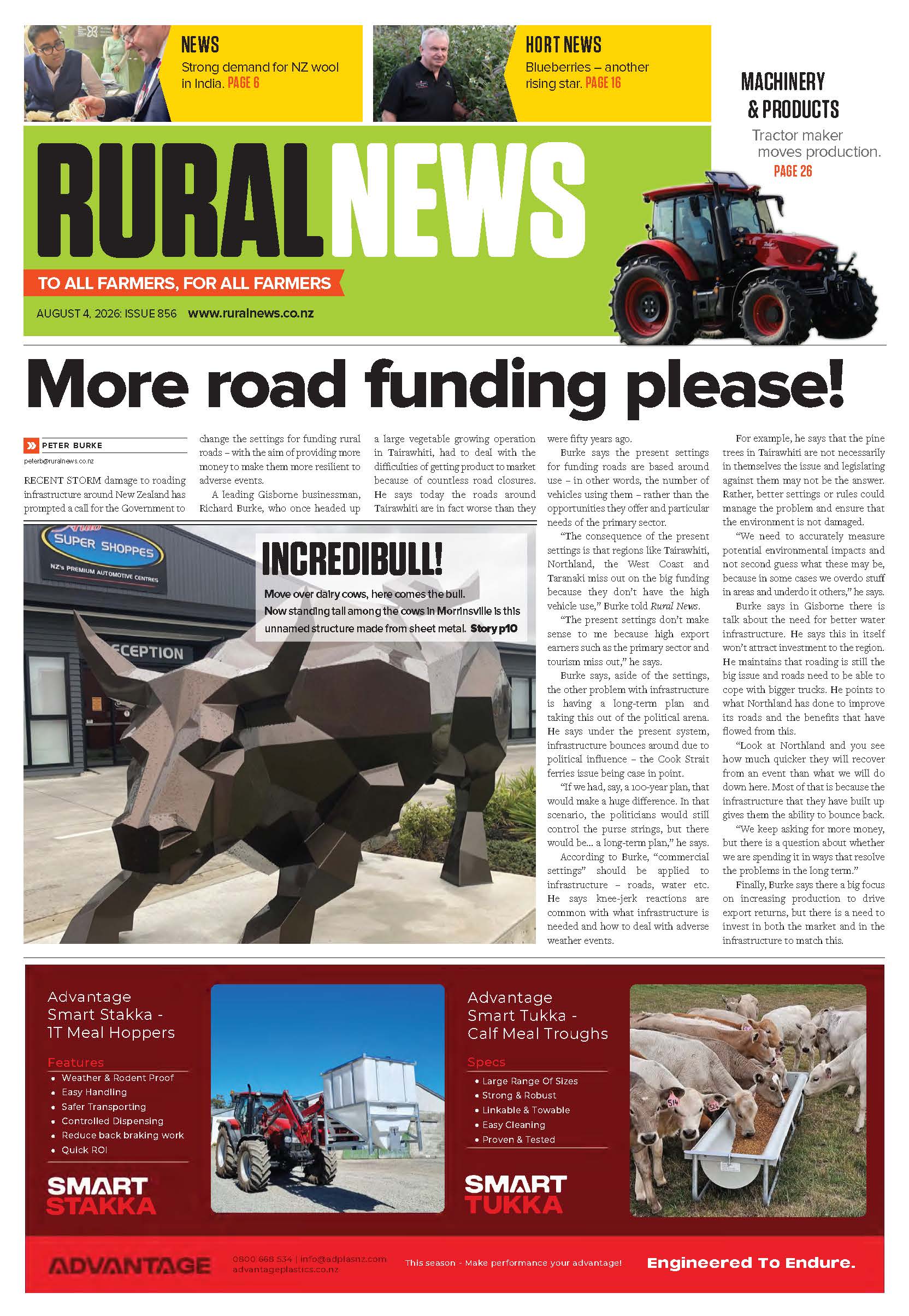
Ravensdown Pays First Rebate in Three Years on $50m Profit
When it comes to annual rebates, it's been a long time between drinks for Ravensdown shareholders.




 increase font size
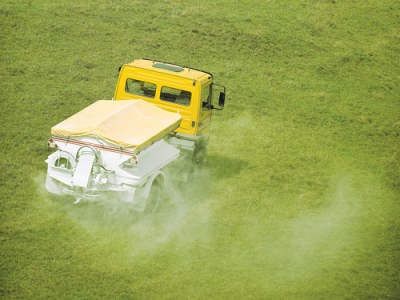 Fertiliser is simply food for plants.
Many people know overuse of fertiliser harms the environment, but that shouldn’t make ‘fertiliser’ a dirty word.
Billboards have been used recently to blame fertiliser entirely for destroying New Zealand waterways and soils; they say the nation could farm without it. It makes for a good yarn, or even a simple billboard, but it’s not true.
Fertiliser is simply food for plants. Plants take nutrients from the soil to grow. Fertiliser puts more nutrients back into the soil, enabling more plants can grow again.
NZers like to think we have great farms partly because of great soil. But in fact much of our land is geologically new and so it naturally lacks the nutrients needed by the many plants we eat and use.
The soil can particularly lack phosphorus, nitrogen, sulphur and potassium. Phosphorus, for example, is used by plants to store and transfer energy; it aids root and flower development and increases growth rates.
Virtually everything you will buy this summer from a store will have been grown or fed using fertiliser.
Farmers and growers use fertiliser to create the affordable quality food we eat or export and grow nutritious crops for animals. It powers our beef, sheep and dairy farms and the fast-growing horticulture sectors which are taking the world’s chefs by storm.
Each year, fertiliser used by all these sectors contributes billions of dollars to our economy and helps to employ tens of thousands of NZers.
Fertiliser is simply a tool in a toolbox. Under-use it and you see real affects on what can be created and consumed; overuse it and you risk losing nutrients into the waterways or atmosphere. As a tool, fertiliser can be used smartly or not so smartly.
Unlike a corporate listed company, Ravensdown is a co-operative owned by its farmers; it is not here to maximise profit but to help with the responsible use of its products.
Nutrients need to be applied responsibly; they are a huge cost to a farmer and so they need to be managed well and wastage minimised. Too much of the wrong fertiliser in the wrong place at the wrong time can cause environmental problems.
Whether in city living or fertiliser use, nutrients like nitrogen and phosphorus can be washed by rain into other parts of the ecosystem, especially waterways. In waterways, nitrogen and phosphorus act as food for waterborne plants including algae. Those plants can choke waterway habitats and they reduce oxygen available for other water dwellers.
That’s why many NZ regions impose rules that limit the amount of nitrogen allowed to be lost from farms.
Most of the total nitrogen that fuels NZ’s grass-based farming comes from legumes (clover-like plants) that can capture nitrogen from the air. These little plants are worth billions of dollars to the economy, but they only grow at certain times of the year. Plants often need extra support at critical times and places and that’s why farmers use mineral fertiliser selectively.
Ravensdown has a range of services and products to help farmers use fertiliser responsibly. These include precision testing, mapping and spreading, so farmers know exactly what to use where. We produce products that reduce nitrous oxide emissions and we have NZ’s biggest network of farm environmental consultants who help farmers come up with ideas to reduce impacts.
Whether it’s from too many plants like clover or peas, too much fertiliser or too much extra feed, if the animal or plants can’t use all the nitrogen from those sources, then nitrogen may be lost from the soil. Our certified advisors guide customers on their inputs and outputs so that they can achieve their goals and farm smarter.
At times this has meant advice resulting in less fertiliser applied. This is fine for us; we don’t incentivise our team based on how much they can sell. Representing a co-operative, they are there to help the customer owner buy the right amount not the highest amount.
For more details see www.ravensdown.co.nz/fertiliser/facts
• Greg Campbell is chief executive of Ravensdown
When it comes to annual rebates, it's been a long time between drinks for Ravensdown shareholders.

Ravensdown has reported a net profit before tax and rebate of $50.1 million for the year ended 31 May 2026.
Farmer owned co-operative Ravensdown has signed a two-year naming rights sponsorship of the Canterbury A&P Show.
Nominations are now open for two directorships on the Ravensdown Board and will close at 5pm, Friday 24 July 2026.
For Jane Smith, becoming a Ravensdown director has been a way she can actively contribute to something quite personal to her - protecting and strengthening a co-operative she deeply believes in.



Celebrating 50 years in the rural landscape of Central Canterbury and beyond, Ashburton-based Carrfields, has been the exemplar for all aspects of modern agriculture via its extensive range of services including supply, growing, agronomic advice and marketing.
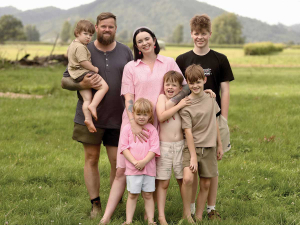
For Taupiri dairy farmers Logan and Sian Dawson, their involvement in the NZ Dairy Industry Awards has been a key catalyst in the growth of their business - the experience helping shape how they approach the farm ownership pathway they are pursuing today.
West Otago dairy farmer Luke Kane has been awarded the 2026 Rabobank Dr John Morris Business Development Prize.
OPINION: As the general election approaches, political parties are churning out policies in the hope of attracting more votes.
An LIC bull, Tronnoco AR Sadio-ET S3F, bred by Tony and Keri O'Connor of Tronnoco Farming Co Ltd near Timaru, has won the 2026 Mahoe Trophy.
With forecasters advising El Niño conditions will develop through winter and strengthen into spring and summer, Ballance Agri-Nutrients is encouraging farmers and growers to think ahead about nutrient planning and be prepared to work around challenging weather conditions.





OPINION: The same mainstream media muppets that brought you Jacindamania in 2017 have been flat out pimping for the Opportunities…
OPINION: Your old mate reckons the atrocious way farmers in the UK are treated by their lords and masters in…