It's The Margins That Matter
OPINION: It appears to be difficult for people who haven’t tried to run a business to understand the difference between assets and cash.




 increase font size
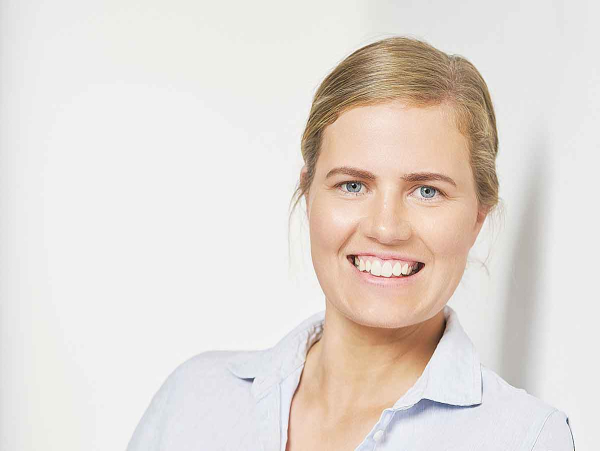 Sarah How
To celebrate 25 years of the Hugh Williams Memorial Scholarship, Ravensdown caught up with past recipients to see where their careers have taken them, and what the future holds for the industry.
The scholarship, created in memory of the late Hugh Williams, a Ravensdown director from 1987 to 2000, was designed to support agriculture students. A quarter-century on, it's alumni are showing just how broad and dynamic the sector has become.
Some have become entrepreneurs, some are in science. Others own and run farms, and a few eventually took jobs at Ravensdown.
Recognising the diversity of careers available in farming now, Ravensdown asked scholarship recipients what they feel the agricultural sector is missing, and where the next generation could make an impact.
Previous scholarship recipients say the sector needs more innovation, tailored advice, passion, marketing, and good governance.
Johanna Olsen, 2013 recipient, wants more grads to consider farming itself.
"We need more people who want to grow the food. Farming offers real opportunity for young people willing to apply themselves," says Olsen.
Stephanie Laird, 2003 recipient and a current farmer, sees a risk in falling behind on innovation.
"In tough economic times, R&D often takes a hit, but it's critical. Every smart product or tech can make a difference on-farm."
Stephanie also works as a project manager for Ravensdown's topdressing division, Aerowork, says Laird.
For young entrepreneur Sarah How - a strong advocate for continued innovation - it's never been easier to test new ideas and create value, even alongside a day job.
She was the 2012 recipient, and recently cofounded Landify, an online platform breaking down the barriers to farm ownership.
Steven Foote, 2007 recipient and farm owner, is looking to implement new technology on his farm to increase productivity and decrease environmental impact. He says the sector needs more people who are deeply committed to their chosen fields - whether that's genetics, soil science, or environmental management.
It is important we maintain and grow our position on the world stage. Tom Wilson, 2019 recipient, has recently been working in the United Kingdom and says New Zealand needs more agri-savvy marketers.
"We know we produce world-class food, but we've got to get better at showing the world."
Ravensdown chief executive Garry Diack says it shows the many paths agriculture students can now choose to take, from technology development to communications specialists.
"Farming has always been complex, but it is becoming increasingly more so - farmers now need to be employers, guardians of the land, part-time soil scientists, environmental experts, digital savants and dabble in meteorology.
"That's why Ravensdown is on hand to help farmers make good decisions for their land and why it supports young agriculture students to learn the science behind farming, so New Zealand can farm smarter."
OPINION: It appears to be difficult for people who haven’t tried to run a business to understand the difference between assets and cash.
OPINION: In the 1980s, concern was expressed in West Germany about the falling birth rate. Some simple analysis was performed by Professor Helmut Sies, physician and biochemist at Dusseldorf University. His letter ‘A new parameter for sex education’ was published in Nature in 1988:
When it comes to annual rebates, it's been a long time between drinks for Ravensdown shareholders.
Ravensdown has reported a net profit before tax and rebate of $50.1 million for the year ended 31 May 2026.
Farmer owned co-operative Ravensdown has signed a two-year naming rights sponsorship of the Canterbury A&P Show.


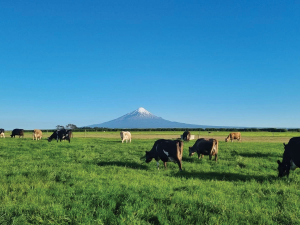
A spate of southerly winds bringing cold temperatures has presented challenges for Taranaki dairy farmers.
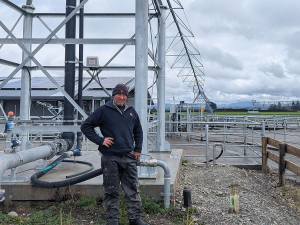
Converting a longstanding cropping farm to dairy was the only way to ensure the land stayed in the family long term, says new dairy farmer Rod May.
As the election heats up, Organics Aotearoa New Zealand (OANZ) has launched its election scorecard designed to help voters wanting to support policies that grow organic and New Zealand's organic sector.
A 'tsunami' of milk from key exporting countries is winding down and this may be good news for New Zealand dairy farmers.
Will the good times last? That's one of the key issues to come out of the latest Federated Farmers confidence survey.
Outgoing Fonterra Co-operative Council chair John Stevenson says that it has been a privilege to represent the co-op's farmer shareholders.


OPINION: It seems Canterbury processor Synlait is still in the doldrums.
OPINION: Get offside with New Zealand First leader Winston Peters at your own peril.




