Editorial: Don't take away farmers' tools
OPINION: Farmers are being put on notice by the Green Party.




 increase font size

I GOT a chance to look through the Great New Zealand Science Project website the other night.
Plenty was being said about what farmers should be doing about water quality. Much of it was the usual ‘blame-farming-not-cities’ comment, although there were also some interesting suggestions about getting people from towns and cities out to farms to contribute towards the funding and labour of fencing off streams.
Until I added my two cents, nothing was being discussed about the need for urban areas to take responsibility for their share of waterway pollution. It would be great if more farmers could take a few minutes to go online and help dispel some of the myths about water quality.
This website has been created to get feedback from the general population about what they would value in respect of government spending on scientific research over the next few years. I have asked for more research to understand nutrient pathways and more education for the general population on what everyone, rural and urban, can do to reduce pollutants reaching our waterways.
We need to have a greater understanding of what is polluting all our rivers and I am interested in discovering more about the effects of urban sewage treatment on them. It would be good to have some definitive answers about what sewage-treatment processes remove and what they do not and also look at where this treated waste ends up, which all too often is in rivers or in the sea.
Perhaps part of the reason so few comments are being made in online forums by farming organisations is because of the huge amount of work being done to actually find solutions for our industry.
One example is DairyNZ’s work on the Strategy for Sustainable Dairy Farming. This strategy for the industry is undergoing a complete refresh and overhaul, with some help from Federated Farmers Dairy, the Dairy Women’s Network and the Dairy Companies Association of New Zealand.
One of the main points to come from the review has been to reiterate that sustainability means getting all aspects of the industry working well. This ranges from the economic side of things, to the social and cultural aspects, as well as looking at how to minimise and mitigate environmental impacts.
It is vital dairy farming’s first priority is to remain competitive on a world stage by producing safe, high-quality dairy products at a good, competitive cost. It is equally vital the industry is responsible for the wider environmental, animal welfare and people-related outcomes of dairy farming. Dairy farming must work for all New Zealanders.
The strategy review is ongoing and those who are interested can have a look at dairynz.co.nz
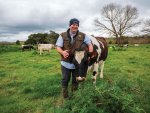
• James Houghton is Federated Farmers Waikato president.
OPINION: Farmers are being put on notice by the Green Party.
OPINION: All eyes are on the Government as Waikato farmers seek urgent help to fend off the controversial Plan Change 1 (PC1), designed to manage nutrient discharges into waterways in the region.
Southland farmers staring down a May deadline to submit freshwater farm plans under current regional plan rules have been given an 18-month reprieve by the Government.
OPINION: Normally farmer good organisations are happy to use the media to get their message across to politicians and the consumers.
Hundreds of water samples taken from Ōtūwharekai Ashburton Lakes and streams over the past year confirm that water quality remains a concern, according to Environment Canterbury.

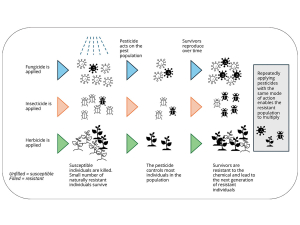
Growers and farmers are being encouraged to have an important conversation before the coming season starts: how to prolong the effectiveness of the crop protection tools they rely on.
A new digital assistant is now helping Ballance Agri-Nutrients farmers speed up nutrient information and ordering.
New Zealand apple and pear industry stakeholders are out in force for the annual conference in Queenstown.
Cameron Reed lives between two worlds.
Improving health and safety is about incremental gain rather than a sudden decision, says Leeston farmer and Federated Farmers health and safety spokesman David Birkett.



A fair question has been raised about how member-funded organisations should conduct themselves when taking a public position on any…
OPINION: It really is getting harder to lampoon government bureaucrats when they do such a good job of it themselves.…