Former WTO ambassador David Walker appointed to NZMB
David Walker has been confirmed as the new Government Appointee to the New Zealand Meat Board (NZMB).




 increase font size
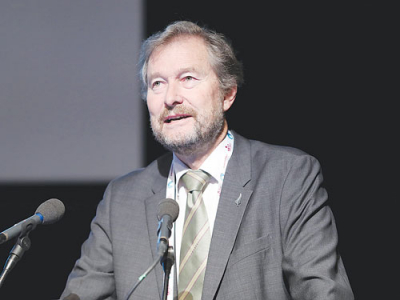 NZ’s WTO ambassador David Walker.
Brexit presents “the biggest seismic change” to the dairy industry in the UK, says Tomas Pietrangeli, UK managing director of Arla Foods.
Speaking at the International Dairy Federation world dairy summit last week in Ireland, Pietrangeli described the end of free trade as a major risk.
The UK is negotiating to exit the European Union and the dairy industry faces potential tariifs after Brexit; accessing non-UK labour after Brexit is also a looming issue.
Arla, a European dairy co-op, is jointly owned by 11,200 farmers in Denmark, Sweden, UK, Germany, Belgium, Luxemburg and the Netherlands.
An independent economic impact assessment of Arla’s UK business had shown that the company generated £6 billion gross value for the UK, and nearly 120,000 jobs, directly and indirectly.
Pietrangeli called on the UK government to publish its future plans for agriculture there via a parliamentary bill “at the earliest opportunity early next year,” adding that any delay would be detrimental to the industry.
“We need to have the best possible trading conditions with the EU; we need to get Brexit right. Trade with the EU is the most important market for UK dairy businesses and UK dairy should be recognised as a key player in Brexit negotiations.
“We do not want to see a situation where dairy businesses come under pressure because of restrictions on trading conditions.”
Pietrangeli highlighted the need for access to non-UK labour, citing the fact that 56% of farms had employed non-UK nationals in the last five years, as had 41% of processing businesses and 60-80% of third party logistics businesses.
“Don’t disregard dairy,” Pietrangeli said. “There will be opportunities from Brexit but we need time to adapt, assurance and our voice to be heard.”
David Walker, New Zealand’s ambassador to the World Trade Organisation, told the Summit that NZ had been agreeing to free trade deals since 1983 and also worked through the WTO.
He said NZ hoped to make progress on a deal with the EU and in the event of the UK leaving the EU, a deal could be arranged between NZ and the UK.
Michael Dykes, president and chief executive of the International Dairy Foods Association, told the summit that in the US “significant uncertainty” persisted over trade arrangements. He said a proactive trade policy is essential for the US.
David Walker has been confirmed as the new Government Appointee to the New Zealand Meat Board (NZMB).
Agriculture and Trade Minister Damien O'Connor is off to Europe soon to try and breathe some life into free trade talks between NZ and the UK, and NZ and the European Union.
OPINION: Former NZ agriculture and trade minister, and ex-High Commissioner to the UK, Lockwood Smith, was the only non-UK member of the UK Trade & Agriculture Commission (TAC), which was tasked by Secretary of State for International Trade, Liz Truss, to look at finding a way forward of Britain supporting trade liberalisation, while ensuring UK standards are not undermined.
The United Kingdom-European Union agreement – announced late last year –on post-Brexit trade arrangements will deliver certainty.
Contingency planning by the New Zealand meat industry appears to have paid off as Brexit took effect on January 1.
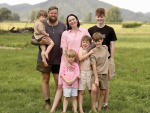
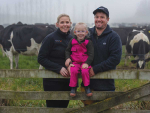
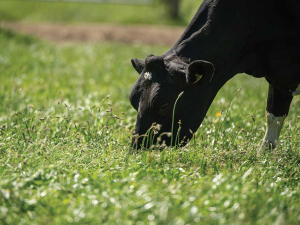
Farms across the upper North Island are trialling different pasture mixes as part of a research programme that aims to build greater resilience into farming systems.
Election years are always a concerning time for farmers, according to DairyNZ chair Tracy Brown.
The Ballance Farm Environment Awards are coming to the West Coast of the South Island.
Most dairy regions around the country have had a pretty good season so far says Tracy Brown.
Rural leader Mark Hooper has been appointed as an independent director to the NZPork board, bringing extensive farming, governance and advocacy experience to the role.



OPINION: The same mainstream media muppets that brought you Jacindamania in 2017 have been flat out pimping for the Opportunities…
OPINION: Your old mate reckons the atrocious way farmers in the UK are treated by their lords and masters in…