


Not Out of the Woods Yet
OPINION: It seems Canterbury processor Synlait is still in the doldrums.




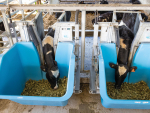
A hypothesis in a major dairy research programme that bulls genetically proven to be low methane producers could pass this trait onto their lactating daughters has been proven to be incorrect.
Herd improvement company LIC has entered the Indonesian market.
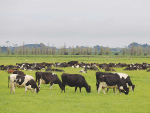
Livestock Improvement Corporation (LIC) and the Ag Emissions Centre have completed the latest phase of a mult-year methane research project, providing important insight into the role genetics may play in reducing gross emissions.

Farm software outfit Trev has released new integrations with LIC, giving farmers a more connected view of animal performance across the season and turning routine data capture into actionable farm intelligence.

Herd improvement company LIC has posted a 5.2% lift in half-year revenue, thanks to increasing demand for genetics.

According to the New Zealand Dairy Statistics 2024/25 report, New Zealand dairy farmers are achieving more with fewer cows.
The number of beef straws going into dairy cows is on the increase, according to LIC beef genetics product lead Paul Charteris.
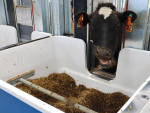
LIC chief executive David Chin says meeting the revised methane reduction targets will rely on practical science, smart technology, and genuine collaboration across the sector.
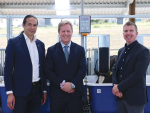
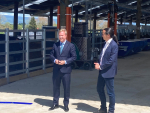
Opening a new $3 million methane research barn in Waikato this month, Agriculture Minister Todd McClay called on the dairy sector to “go as fast as you can and prove the concepts”.
The Government has announced it has invested $8 million in lower methane dairy genetics research.
OPINION: It seems Canterbury processor Synlait is still in the doldrums.
OPINION: Get offside with New Zealand First leader Winston Peters at your own peril.

