BCS Targets: Why Body Condition Score Matters at Calving
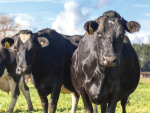
Body Condition Score (BCS) is a critical element in managing the health and reproduction of the dairy herd.




 increase font size
 The two-year study, which veterinarian Richard Nortje says is the first of its kind in New Zealand, was commissioned by AgriHealth.
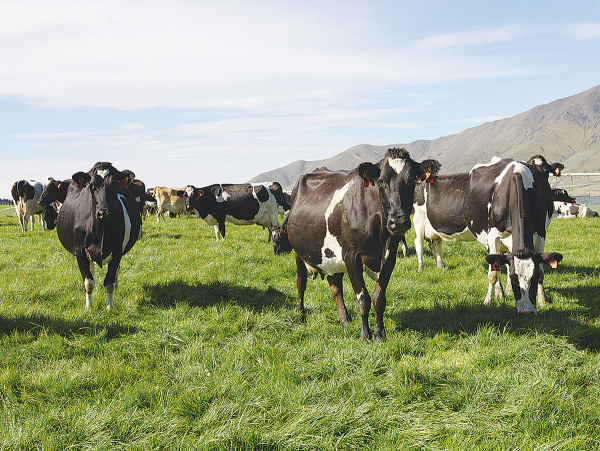
A recent study has confirmed numerous benefits for dairy farmers to synchronising mating of heifers.
The two-year study, which veterinarian Richard Nortje says is the first of its kind in New Zealand, was commissioned by AgriHealth.
Comparing bull mating with synchronised mating following a DIB Co-Synch program, the study aimed to compare in-calf rates between the two groups.
“In terms of our trial set up, we had about 1450 heifers across five farms,” says Nortje.
He says the heifers were weighed within a month of the planned start of mating and the first DIB Co-Synch visit. The animals were then randomly allocated to either the synchrony group or the control group.
The study found a number of benefits, including higher in-calf rates, with more heifers from the synchronised group pregnant at the end of mating than in the control group.</p
“In terms of results, the key benefits of the synchrony was that there was on average 11 days more in milk compared to bull mating,” says Nortje.
He says there was a 55% average conception rate to the synchrony heat
Nortje says there were 3% more pregnant heifers, 11 days more in milk resulting in 13kg more milk solids per heifer.
Something else the study wanted to look at, according to Nortje, was whether there were any additional benefits to calving earlier.
For this part of the study, researchers measured premating heats and normal fertility outcomes during the heifers’ first lactation. “There were no further flow on benefits from the synchrony group,” says Nortje.
In other words, he says, all the benefits of synchronised mating were captured during the first mating period.
Body Condition Score (BCS) is a critical element in managing the health and reproduction of the dairy herd.
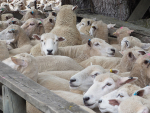
Body condition scoring ewes at least six weeks out from mating can make a significant difference to conception rates and scanning percentages.
Dairy Women's Network (DWN) is welcoming AgriHealth as a new partner.
Hit the ground running this mating with these foundations for success.
While the recent payout announcement is not the news dairy farmers were hoping for, it’s an opportunity to review on farm performance with a specific focus on protecting your farm’s profitability.


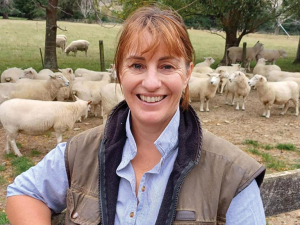
B+LNZ's Wormwise veterinarian Mary Bowron has won the Best Sheep and Beef Vet of the Year Award in recognition of her outstanding contribution to New Zealand’s sheep and beef sector.
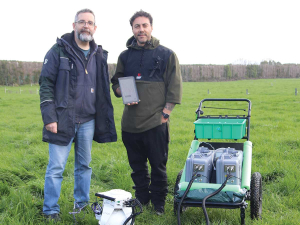
Researchers at Massey University are using a special piece of scientific equipment to improve the measurement of greenhouse gas emissions from pasture soils.
More signs of a booming kiwifruit sector.
OPINION: David Seymour and James Meager's plan to make it easier for farmers and orchardists to operate drones can best be described a 'courageous' move.
New Zealand wool is reaching new heights as air filtration companies move away from synthetic products to biodegradable alternatives.
Opuha Dam's ability to protect South Canterbury communities from major flooding has taken a significant step forward, with Opuha Water Limited (OWL) successfully commissioning a new outlet valve capable of releasing record volumes of water from the dam ahead of a weather event.



OPINION: After hogging the media limelight for telling a NZ Chinese MP to "go back home", Winston Peters has decided…
OPINION: With fuel prices soaring, one would have expected most farmers to be reclaiming excise duty on petrol.