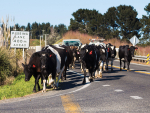
Ospri Urges Farmers To Prepare NAIT Records Before Moving Day
Moving Day (June 1) is just around the corner and farmers who are moving farms with the herd are being urged by Ospri to start preparations now.




 increase font size
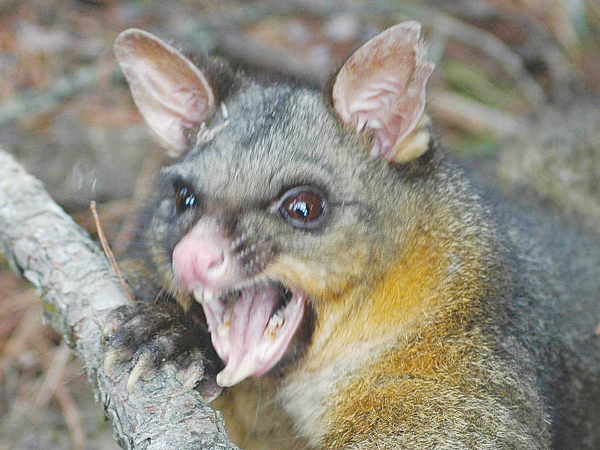 A 1080 aerial operation on Molesworth Station as a part of OSPRI's possum control operation.
Ospri has recently completed a 1080 aerial operation on New Zealand's biggest farm, Molesworth Station.
Ospri says there is more planned possum control later this year, as part of a wider plan to eradicate TB from Molesworth cattle and deer herds by 2026.
The farm is the focus of a 9-year programme of targeted possum control and wildlife surveillance, beginning in the winter of 2017.
Molesworth Station is New Zealand's biggest farm at 180,787 hectare. It is part of a vast, mountainous landscape in the northern South Island high country. It's one of the last large-farmed areas where possums and other sources of bovine TB are still being brought under intensive control.
The property was originally excluded from the official pest control programme under previous National Pest Management Strategies that were initially focussed on the reduction of infected herds.
Between 2011 and 2016 the TB programme focussed on keeping infected herd numbers as low as possible while proving TB freedom was possible in large scale possum habitat.
During this period, Molesworth Station entered into a 50/50 partnership arrangement with the TBfree New Zealand to undertake local wild animal control on the station. The targeted control work has achieved significant reductions in the number of TB infected animals within the herd.
Ospri says with the plan to eradicate TB from NZ by 2055, it is essential to implement a substantial TB management programme for the Marlborough/Canterbury high country to achieve this eradication goal. In addition to the programme on Molesworth Station, extensive work is being undertaken within the Clarence Reserve to the north east.
OSPRI has worked in partnership with Landcare Research to determine the relative effectiveness of aerial 1080 baiting strategies to reduce both possum abundance and TB levels in wildlife in high country landscape on Molesworth Station.
Moving Day (June 1) is just around the corner and farmers who are moving farms with the herd are being urged by Ospri to start preparations now.

Ospri is reducing TB testing frequencies and movement control measures as the disease risk subsidies in parts of the country.
From 1 October, new livestock movement restrictions will be introduced in parts of Central Otago dealing with infected possums spreading bovine TB to livestock.
OPINION: The sudden departure of Jim Ward, manager of Molesworth Station for 24 years, highlighted some major dysfunction in the way conservation estate is managed in this country - the biggest problem, as the Hound sees it, being idealogues who harp on about "taonga" and use all means possible to block sensible commercial operations on conservation land.
The move to bring bovine TB testing in-house at Ospri officially started this month, as a team of 37 skilled and experienced technicians begin work with the disease eradication agency.



Now in its fourth year, the 2026 Fencing Industry Awards, formed part of the proceedings of the FCANZ Conference, held in Nelson during August.
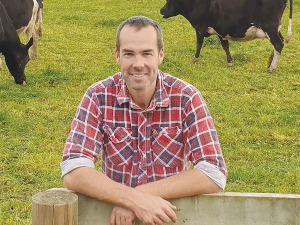
DairyNZ deputy chair Cameron Henderson has been re-appointed unopposed for another term.
OPINION: The stats speak for themselves.
Farms across the upper North Island are trialling different pasture mixes as part of a research programme that aims to build greater resilience into farming systems.
Election years are always a concerning time for farmers, according to DairyNZ chair Tracy Brown.
The Ballance Farm Environment Awards are coming to the West Coast of the South Island.




OPINION: It seems Canterbury processor Synlait is still in the doldrums.
OPINION: Get offside with New Zealand First leader Winston Peters at your own peril.