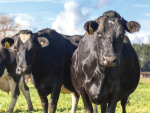
BCS Targets: Why Body Condition Score Matters at Calving
Body Condition Score (BCS) is a critical element in managing the health and reproduction of the dairy herd.




 increase font size
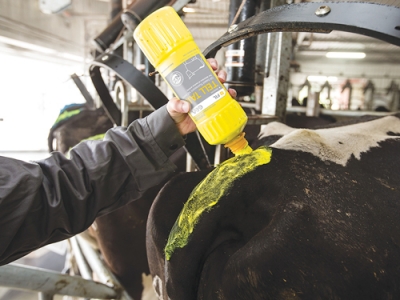 Tail painting is still widely used for heat detection in herds.
Tail painting remains the most widely used form of heat detection in New Zealand, according to GEA FIL, the makers of Tell Tail heat detection paint.
FIL says Tell Tail, made and sold in NZ for 25 years, is proven and cost-effective, designed specifically for dairy cow heat detection.
Product manager Wayne Cockburn says the product is unique and seen by farmers as the best tail paint available.
Innovation over 25 years has made the paint brighter, easier to apply and longer lasting, he says. It’s the only locally made tail paint containing fluorescent pigments -- six colours -- enabling farmers to devise a painting plan for each stage in detection to pregnancy.
The applicator cap was developed 20 years ago, taking away the hassle of a can and brush. It is durable enough to last up to 21 days on the cow, subject to conditions and correct application, and when the cow is mounted will break down to provide easy visual indication.
Cockburn says testing on competitor products shows most came off the animals too quickly; some didn’t rub off when the animal was mounted. “We continually benchmark against our competitors, so that FIL products stay abreast of the market.”
Another FIL product is Detail -- a water-based paint used by a growing number of farmers because convenient 10L pails and added benefits better suit it to larger herd applications.
FIL national sales manager Colin May and area managers are at hand to work with farmers in implementing practical herd management systems.
Says May, “FIL’s colour process of heat detection is a simple tool, enabling quick identification of cows coming into or on heat. For example, we paint the cows with red tail paint about three weeks after calving. When the paint has been rubbed that indicates the cow has started her cycle and then green tail paint is applied. In cases where it hasn’t been rubbed, farmers are advised to involve a vet.”
When green paint is rubbed this identifies cows coming into heat on a daily basis. After AI, cows should be painted with blue; if the paint rubs off, the cow is not pregnant. And yellow should be applied once the pregnancy is confirmed.
The tail paints are sold in rural retail stores.
Tel. 0508 434 569
Body Condition Score (BCS) is a critical element in managing the health and reproduction of the dairy herd.
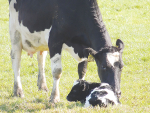
Giving calves the best possible start to life has been shown to boost growth and resilience.
The first weeks of a calf's life quietly shape the future of the entire herd.
In calf rearing, the smallest details often have the biggest impact. While feed and genetics remain critical, bedding is increasingly recognised as a key driver of calf health, growth, and overall performance.
For decades, probiotics in calf rearing have been treated as a reactive tool – something to reach for when illness strikes. That thinking, according to Matt Collier of Probiotic Revolution, is leaving significant money on the table.


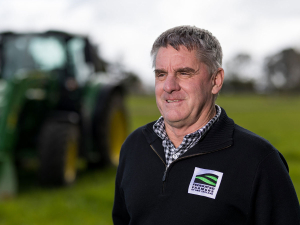
National’s pledge to introduce 19 new national standards shows the party is serious about getting Wellington out of farming, Federated Farmers says.
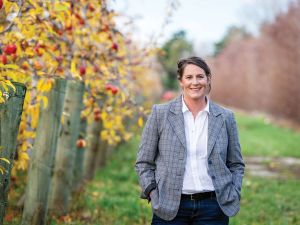
The National Party’s policies to make it easier to grow fresh vegetables, secure reliable water and energy and simplify farm planning are practical changes that will give growers the confidence to invest, according to Horticulture New Zealand (HortNZ).
Fonterra Co-operative Group chief financial officer Andrew Murray has resigned to take up a role outside the dairy giant.
A major move is about to get underway to improve the quality and viability of dairy beef and cattle in NZ.
Veterinarians say changes to the code of welfare for dairy cattle provides a positive foundation for improved cattle welfare across the country.
Today, 15 October, is the International Day of Rural Women, which recognises rural women’s contribution to farming, communities and the environment.


OPINION: It seems Canterbury processor Synlait is still in the doldrums.
OPINION: Get offside with New Zealand First leader Winston Peters at your own peril.




