BCS Targets: Why Body Condition Score Matters at Calving
Body Condition Score (BCS) is a critical element in managing the health and reproduction of the dairy herd.




 increase font size
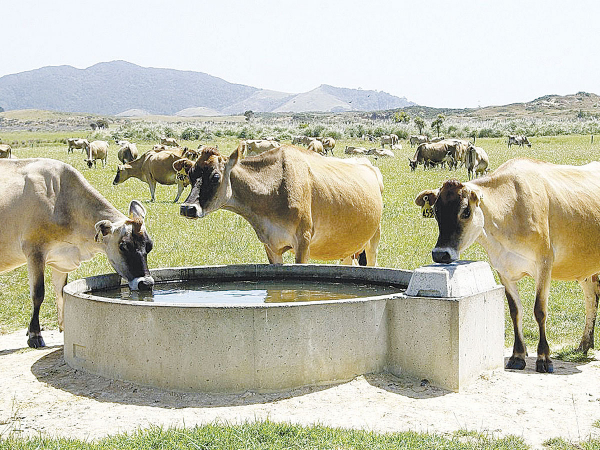 Animal health and welfare is a top priority as the dairy sector experiences dwindling magnesium supply.
Dairy farmers are facing a tight supply of magnesium due to Covid-19 related shipping delays.
DairyNZ general manager farm performance Sharon Morrell says shipping woes have caused disruption for some magnesium supply into New Zealand.
Retailers of magnesium, DairyNZ, NZ Veterinary Association and Ministry for Primary Industries (MPI) have met to better understand the extent of the disruption.
Morrell says they are working together to ensure animal health and welfare needs can be addressed.
<p."Supplies of magnesium are tight across all suppliers across the country but there is a plan in place to manage critical animal health needs," she says. "A number of shipments are due this month, and we anticipate this will ease the supply situation."
Animal health and welfare is a top priority for everyone in this sector and farmers are being urged to continue talking to their retailers about theier specific needs.
Morrell is also urging farmers to manage their magnesium stocks well.
"Share any excess with others, talk to retailers about specific needs and check with your vet or farm consultant before implementing major changes to your normal plan, or if there are animal health issues on farm that are different to a usual season.
Tips to Manage Use
Pre-Calving
Post calving/p>
Body Condition Score (BCS) is a critical element in managing the health and reproduction of the dairy herd.
Body condition scoring ewes at least six weeks out from mating can make a significant difference to conception rates and scanning percentages.
Hit the ground running this mating with these foundations for success.
While the recent payout announcement is not the news dairy farmers were hoping for, it’s an opportunity to review on farm performance with a specific focus on protecting your farm’s profitability.
The highly anticipated 2023 Discovery Project team has been revealed, marking an exciting milestone for New Zealand Holstein Friesian breeders.



OPINION: In politics, credibility is and should be big. It must surely rank higher than charisma, which is quite trite and superficial. Yet, voters nowadays are often wooed and influenced by how someone looks or talks at a superficial level. TV plays a huge role in this.

Farmers can spend less time on paperwork, thanks to a new data sharing agreement between DairyNZ’s DairyBase and LIC’s MINDA software.
Kaikōura families affected by July's severe storm have found a practical solution to a problem that's kept some children away from regular schooling for weeks: a washed-out section of Inland Kaikōura Road, which has stopped the local school bus from running its usual route.
Rural New Zealand is welcoming the Government’s recent package of rural healthcare initiatives.
Interest in agritech and production animal systems has prompted Massey University's School of Agriculture and the Environment to new majors to its popular animal science degree.
Ballance Agrinutrients chief executive Kelvin Wickham says despite a tough year, he is pleased the business has returned to profit.



OPINION: After hogging the media limelight for telling a NZ Chinese MP to "go back home", Winston Peters has decided…
OPINION: With fuel prices soaring, one would have expected most farmers to be reclaiming excise duty on petrol.