BCS Targets: Why Body Condition Score Matters at Calving
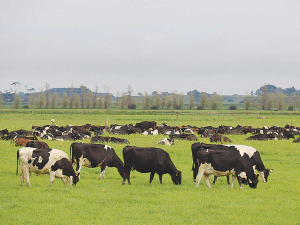
Body Condition Score (BCS) is a critical element in managing the health and reproduction of the dairy herd.




 increase font size
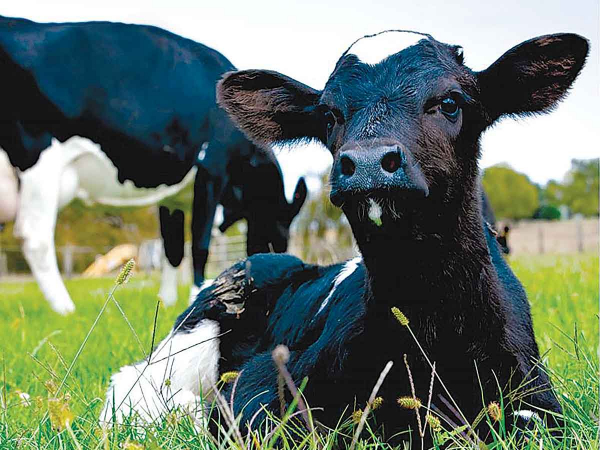 Calves with nutritional scours are often still bright.
The most common cause of scouring is nutritional scours, which happens when there is a change in diet or a diet that is inappropriate for the age group of calves.
Calves with nutritional scours are often still bright, and their faeces are not smelly or bloody. It can be prevented by ensuring dietary changes are slow and that feeds are suitable for that age of animal. Most nutritional scours resolve without specific treatment within a few days, but electrolytes can help prevent dehydration.
Scours can also be caused by viruses, bacteria, protozoa, or parasites. Infection occurs orally when calves are exploring a new environment. Many of these infectious organisms can be found at low levels in the faeces of healthy adult cows, which means calves will be exposed from birth –reinforcing the importance of good colostrum management.
Prevention of contagious scours requires good colostrum management, well designed calf sheds with freely draining bedding and meticulous hygiene with milk preparation and feeding equipment. It also requires a rapid response should a calf become sick.
Having a hospital pen, where sick calves can be isolated until they are let outside can be an effective component in preventing further spread of disease. Make sure to interact with the sick calves last and thoroughly disinfect equipment before using it with healthy calves. Testing of faecal material by your local vet can be a useful method to identify the cause of scours and appropriate animal health interventions to reduce further disease spread.
Vaccination of pregnant cows against common diarrhoea causing pathogens will boost antibody levels in their colostrum. However, this will only help if calves are getting their first feed of colostrum in a timely manner.
Calves suffering from scours lose fluids and salts, and don’t absorb the sugars they need for energy. This can cause alarming weight loss and dehydration. Therefore, lost fluids and salts must be replaced as soon possible to maintain calf energy.
A good quality oral electrolyte at therapeutic levels during the diarrhoea and recovery period is the most efficient way to ensure optimum calf health
Oral electrolytes are lower in energy than milk, so milk feeding should be continued during the scouring period
Calf rehydration
It’s important to feed both milk and electrolytes during rehydration. Ideally feed 2L of milk followed by 2L of electrolytes. These feeds should be 4 hours apart as the electrolytes can interfere with milk digestion.
Key points
• Use high-quality electrolytes to ensure a balanced intake of salts and energy
• Electrolytes can be offered via a teat feeder, trough, bucket or tube feeder
• Warm feeding (38°C) is recommended to increase voluntarily drinking
Body Condition Score (BCS) is a critical element in managing the health and reproduction of the dairy herd.
Giving calves the best possible start to life has been shown to boost growth and resilience.
The first weeks of a calf's life quietly shape the future of the entire herd.
In calf rearing, the smallest details often have the biggest impact. While feed and genetics remain critical, bedding is increasingly recognised as a key driver of calf health, growth, and overall performance.
For decades, probiotics in calf rearing have been treated as a reactive tool – something to reach for when illness strikes. That thinking, according to Matt Collier of Probiotic Revolution, is leaving significant money on the table.


High country stations, mixed sheep and beef farms, Māori-owned farms, corporates and family operations are among the nine commercial farms taking part in the Livestock Innovation Farming Transformation programme, known as LIFT.
OPINION: New health and safety guidance unveiled by the Government recently provides farmers greater certainty about what is expected of them when managing risks on farm.
The National Animal Welfare Advisory Committee (NAWAC) is seeking public feedback on proposed changes to the Code of Welfare for Rodeos.
A New Zealand initiative supporting farmers to restore the health of grazing landscapes has received international backing through the Regenerative Fund for Nature, a global collaborative fund supporting regenerative agriculture and the communities that produce natural fibres for the fashion industry.
Combine premium New Zealand products, blend in a family ritual and what do you get? A world-class functional drink.
Entries are now open across eleven regions for the 2027 New Zealand Dairy Industry Awards (NZDIA).




OPINION: It seems Canterbury processor Synlait is still in the doldrums.
OPINION: Get offside with New Zealand First leader Winston Peters at your own peril.




