BCS Targets: Why Body Condition Score Matters at Calving
Body Condition Score (BCS) is a critical element in managing the health and reproduction of the dairy herd.




 increase font size
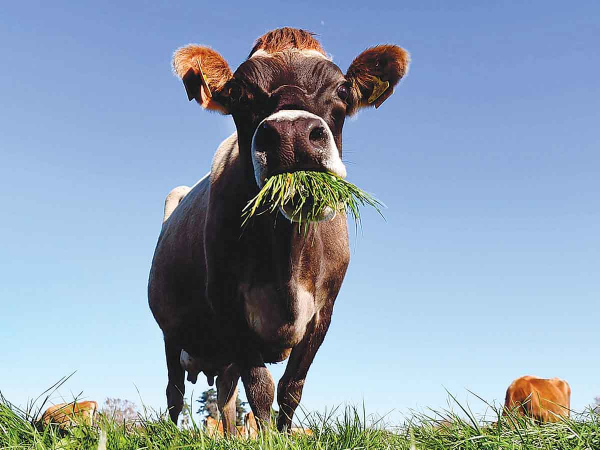 On average between 2-4% of all cows across New Zealand exhibit the typical clinical signs of milk fever.
If milk fever is keeping you or your staff awake at night, you are not alone.
Many New Zealand dairy farms grapple with down cows at calving with research showing that on average between 2-4% of all cows across New Zealand exhibit the typical clinical signs of milk fever – so called ‘downer cows’.
Most farmers recognise that it is not only these clinical cases that cost time and money, but the estimated 30 to 40% of cows that are sub-clinically hypocalcaemic that really impact your bottom line as a result of significant negative effects on milk production.
Impossible to identify without the use of a blood test, these cows will produce approximately 7% less milk during lactation than their normocalcaemic herd mates. In total, lost production as a consequence of low blood calcium levels typically costs around $6000/100 cows at a $6.80/kgMS payout for an average herd producing 381kgMS/cow/year.
Strategies including supplementing magnesium and managing cow condition have formed the mainstay of milk fever management in New Zealand, but despite the implementation of these strategies, many farms still experience clinical milk fever cases each year. Adjusting the dietary cation and anion balance through the use of anionic salts has also been tried on many farms, with varying degrees of success as it is difficult to get cows to eat enough low DCAD feed to overcome the effects of high potassium pastures common in NZ grazing systems.
Trialled in New Zealand for the first time in 2018, a new feeding programme was successfully implemented on over 40 farms in 2019, with a dramatic reduction in clinical milk fever cases reported. Farmers using the Animate feeding programme have also reported easier calving, fewer retained foetal members and improved cow health and production. These anecdotal reports are backed up by results obtained in comprehensive university research, field trials and commercial application around the world.
The objective of the feeding programme is to radically increase the amount of negatively charged ions, chloride and sulphate, absorbed by the cow from the digestive tract. These subsequently enter the blood stream resulting in a compensated metabolic acidosis, in which blood pH is slightly reduced and where calcium release from bone and uptake from the gut are increased.
This change is also accompanied by a change in urinary pH, making it easy to identify whether the cow has been ‘fully acidified’ or not.
When urinary pH is sufficiently decreased this also results in an increased excretion of calcium through the urine, improving the cow’s ability to move calcium in and out her blood. The net effect is that any calcium consumed by the cow when she is ‘fully acidified’ is immediately available to meet the sudden increase in calcium requirements at calving.
Due to its unique formulation and patented manufacturing process, Animate, is highly palatable and readily consumed by cows in the last three weeks of gestation while the concentrated formulation makes it possible to fully acidify cows, even on pasture in New Zealand.
Proper feeding and management of dry cows is an essential management tool which helps to minimise the risk of metabolic disease at calving.
Given the dramatic impact which both clinical and sub-clinical hypocalcaemia can have on profitability, management and nutrition of springers in the three weeks prior to calving in particular should be viewed as an investment in the future performance of the herd.
• Natalie Chrystal is a nutritionist with Complete Feed Solutions
Body Condition Score (BCS) is a critical element in managing the health and reproduction of the dairy herd.
Giving calves the best possible start to life has been shown to boost growth and resilience.
The first weeks of a calf's life quietly shape the future of the entire herd.
In calf rearing, the smallest details often have the biggest impact. While feed and genetics remain critical, bedding is increasingly recognised as a key driver of calf health, growth, and overall performance.
For decades, probiotics in calf rearing have been treated as a reactive tool – something to reach for when illness strikes. That thinking, according to Matt Collier of Probiotic Revolution, is leaving significant money on the table.


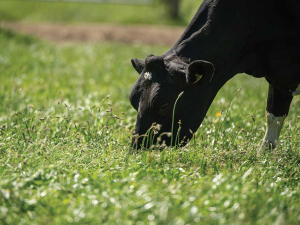
Farms across the upper North Island are trialling different pasture mixes as part of a research programme that aims to build greater resilience into farming systems.
Election years are always a concerning time for farmers, according to DairyNZ chair Tracy Brown.
The Ballance Farm Environment Awards are coming to the West Coast of the South Island.
Most dairy regions around the country have had a pretty good season so far says Tracy Brown.
Rural leader Mark Hooper has been appointed as an independent director to the NZPork board, bringing extensive farming, governance and advocacy experience to the role.



OPINION: It seems Canterbury processor Synlait is still in the doldrums.
OPINION: Get offside with New Zealand First leader Winston Peters at your own peril.