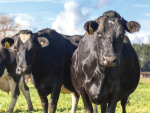
BCS Targets: Why Body Condition Score Matters at Calving
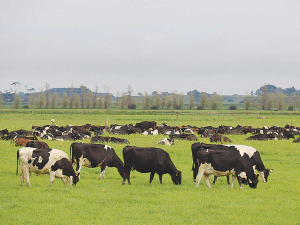
Body Condition Score (BCS) is a critical element in managing the health and reproduction of the dairy herd.




 increase font size
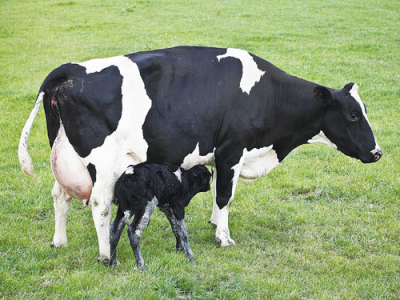 Cows can be protective of their calves.
Cows can be very protective of their calves and see people as a threat.
Cows that are usually calm can become unpredictable after calving; always keep an eye on the cow and keep the calf between you and its mother.
Plan an escape route in case you need to get out of the way of a protective mother.
A well-stocked calving kit is essential and will save you making trips between the paddock and the shed.
Mothers and calves often get separated in the calving paddock and calves can hide in drains, hollows, hedges, and long grass, or they may walk under break fences, so it is important to take your time checking the paddock.
In cold, wet and windy weather calves will tend to walk in the direction of the wind.
Check a calf to see if it is alive and breathing, then check to see if it’s fit and healthy. Spray the calf’s navel in the paddock to help prevent it from getting sick.
Recording information about the cow and calf is important for farm records. Identifying calves in the paddock prevents confusion at the calf shed and helps track the age of calves.
Newborn calves can be heavy, wet and awkward to hold; handle and lift calves correctly to help prevent injuries to you and the calves.
Calves can be injured easily so take care when placing them on a trailer. A calf trailer should have enough room for all calves to lie down comfortably.
Overloading the trailer can lead to injuries and swollen navels; driving slowly helps keep you and the calves safe. Take care when driving on slopes because the trailer can become unstable.
Slow driving also allows any newly calved cows to follow the trailer.
Applying an easy-clean, non-slip material to the floor of the trailer can help make transportation safer and more comfortable for calves; regular cleaning and disinfection of the trailer reduces the risk of infections. Allowing the trailer to dry in the sun also helps kill bacteria.
Body Condition Score (BCS) is a critical element in managing the health and reproduction of the dairy herd.
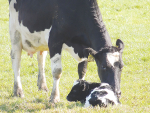
Giving calves the best possible start to life has been shown to boost growth and resilience.
The first weeks of a calf's life quietly shape the future of the entire herd.
In calf rearing, the smallest details often have the biggest impact. While feed and genetics remain critical, bedding is increasingly recognised as a key driver of calf health, growth, and overall performance.
For decades, probiotics in calf rearing have been treated as a reactive tool – something to reach for when illness strikes. That thinking, according to Matt Collier of Probiotic Revolution, is leaving significant money on the table.


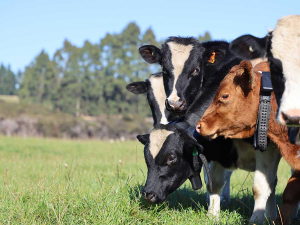
High country stations, mixed sheep and beef farms, Māori-owned farms, corporates and family operations are among the nine commercial farms taking part in the Livestock Innovation Farming Transformation programme, known as LIFT.
OPINION: New health and safety guidance unveiled by the Government recently provides farmers greater certainty about what is expected of them when managing risks on farm.
The National Animal Welfare Advisory Committee (NAWAC) is seeking public feedback on proposed changes to the Code of Welfare for Rodeos.
A New Zealand initiative supporting farmers to restore the health of grazing landscapes has received international backing through the Regenerative Fund for Nature, a global collaborative fund supporting regenerative agriculture and the communities that produce natural fibres for the fashion industry.
Combine premium New Zealand products, blend in a family ritual and what do you get? A world-class functional drink.
Entries are now open across eleven regions for the 2027 New Zealand Dairy Industry Awards (NZDIA).




OPINION: It seems Canterbury processor Synlait is still in the doldrums.
OPINION: Get offside with New Zealand First leader Winston Peters at your own peril.




