CRV says sales of its sexed semen and dairy beef jumped by more than 40% last year as New Zealand dairy farmers change their genetics buying behaviour to help mitigate increasing regulatory and financial challenges.
CRV reports that between the 2021 and 2022 seasons the percentage of total sexed semen and dairy beef sales increased by 44% and 41% respectively.
On average, each farmer who bought sexed semen this made up 18% of their order. Those buying dairy beef it made up 14% of their order and conventional semen made up 68%. CRV managing director James Smallwood says the shift is no surprise as dairy farmers continue to look for ways to remain profitable while dealing with rapid change.
“Breeding a feed efficient herd is now more crucial than ever. Feed and fertiliser costs and feed quality levels have become an ongoing challenge for dairy farmers. In addition, they must comply with more regulations and market requirements to reduce greenhouse gas emissions, improve water quality, such as limits on the application of synthetic nitrogen, and reduce the number of bobby calves.
“We are seeing a real shift in buying behaviours as farmers seek to minimise waste through good management and ensuring their animals are healthy, last longer and turn as much grass as possible into milk.
“Sexed and dairy beef semen can both play a key part in minimising waste and maximising profit, with farmers able to breed better replacements to boost their rate of genetic gain and ensure they get more value from non-replacements.”
Meanwhile, the company says the number of dairy farmers using CRV’s myDNA service has doubled over the last year.
Smallwood says farmers are looking to use the service to make better use of the genetics they are ordering and identify superior animals to breed to sexed semen.
“Data is increasingly being used by dairy farmers to ensure the right genetics are being used at the right time over the right cows.
 |
|---|
|
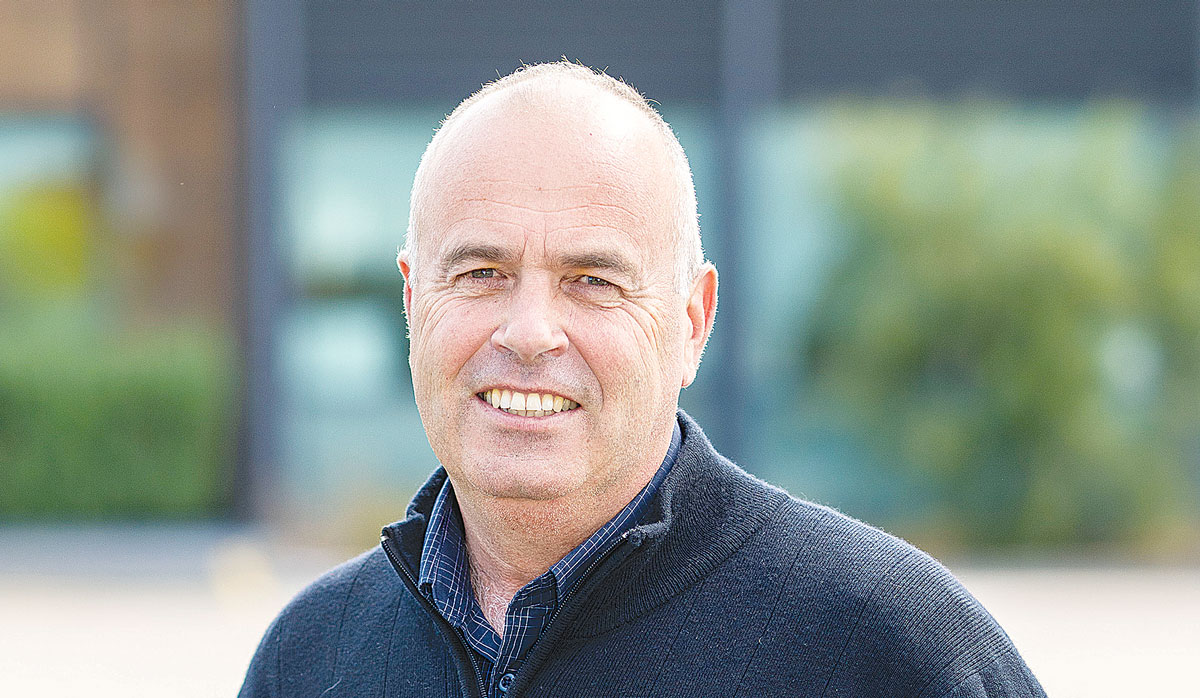
CRV managing director James Smallwood.
|
“Farmers are not only ordering more sexed and dairy beef semen, but also ensuring that the effectiveness of those products is maximised by using data provided through DNA testing and milk test information.
“They are also using their herd recording software more effectively to select better replacement animals, allocate sexed semen to genetically superior cows, and fast track the genetic gain in their herds.”
CRV is hosting a series of Better Herd Events from February until April to help farmers understand their options and explore what might work for their business.
They can learn more about the latest genetics CRV has on offer, its sexed semen technology, and options to capture, interpret and link data for better decision making.
Local farmers from each area will also be on hand to share what they have done to achieve their breeding goals, while tackling increasing regulatory and financial challenges.
For more information visit www.crv4all.co.nz