BCS Targets: Why Body Condition Score Matters at Calving
Body Condition Score (BCS) is a critical element in managing the health and reproduction of the dairy herd.




 increase font size
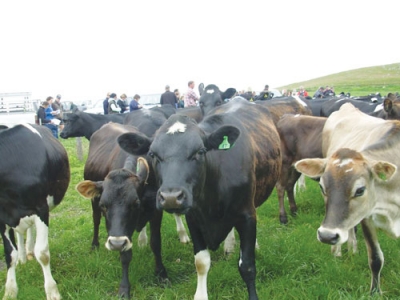 The first two weeks of milking will go better if heifers are trained prior to calving.
It takes about two weeks for heifers to get to know the milking area, entry and exit routes, and to establish a quiet, reliable routine.
The first two weeks of milking will go better if heifers are trained prior to calving, starting with walking to the dairy yard and holding them briefly, then building up to turning on machines and walking them through the dairy. Teat spray at this time.
Using an internal teat sealant on heifers can also familiarise them with the dairy and yards four-six weeks before calving.
Take your time moving animals into the farm dairy: don’t rush because this minimises injury to udders and teats, and helps cows get comfortable during milking. Encourage the cow by gentle handling. Don’t rush, a calm cow is a productive cow.
Unexpected noise and movement scare cows, and they will not let down their milk. Tell staff to follow a calm, consistent routine when handling stock.
Ensure all quarters of all cows are milked out. Ensure each cow has a milk let-down at each milking, particularly heifers. Use let-down hormone (Oxytocin) if necessary.
Body Condition Score (BCS) is a critical element in managing the health and reproduction of the dairy herd.

Giving calves the best possible start to life has been shown to boost growth and resilience.
The first weeks of a calf's life quietly shape the future of the entire herd.
In calf rearing, the smallest details often have the biggest impact. While feed and genetics remain critical, bedding is increasingly recognised as a key driver of calf health, growth, and overall performance.
For decades, probiotics in calf rearing have been treated as a reactive tool – something to reach for when illness strikes. That thinking, according to Matt Collier of Probiotic Revolution, is leaving significant money on the table.


Farmer-owned fertiliser company, Ballance Agri Nutrients is welcoming National’s plan to negotiate security agreements with key supplier countries to protect New Zealand-bound products from export restrictions and greater supply chain certainty.

Carrfields has announced the appointment of Stu Hall to the newly created role of chief operating officer, Carrfields Ltd, reflecting the continued growth of their agribusinesses and the need to ensure the company has the leadership capacity and support in place as it pursues the emerging opportunities ahead.
New Zealand's role is not to compete with Indian growers, according to NZ Apples and Pears.
The potato industry is celebrating the success of two rising stars - James Blair, the 2026 Young Grower of the Year and runner-up and innovation award winner, Amber Davy.
Twenty-eight emerging leaders from across the horticulture sector spent two days last month learning valuable skills and connecting with industry experts.
There are five entrants in this year’s Young Horticulturist of the Year, competing in a series of technical, practical, business and leadership challenges.



OPINION: It seems Canterbury processor Synlait is still in the doldrums.
OPINION: Get offside with New Zealand First leader Winston Peters at your own peril.




