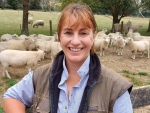
Mary Bowron Named Best Sheep and Beef Vet of the Year
B+LNZ's Wormwise veterinarian Mary Bowron has won the Best Sheep and Beef Vet of the Year Award in recognition of her outstanding contribution to New Zealand’s sheep and beef sector.




 increase font size
 Dr Peter Blaikie.
Good onfarm animal management will be essential if plans to eradicate Mycoplasma bovis are to succeed, the New Zealand Veterinary Association says.
“This will be essential to stop the infection spreading and to ensure M.bovis isn’t re-introduced into NZ,” says NZVA president Dr Peter Blaikie.
“From an animal welfare point of view, eradication is the best option so we should give it our best shot,” Blaikie says.
“For that reason, NZVA will throw its support behind the eradication plan.
“We agree with the government and industry’s assessment that eradication will not be easy and will come at huge personal and financial cost to farmers.
“The government has acknowledged that there could come a time when the decision to eradicate might be abandoned. However, that time is not now.”
To give the eradication plan the best chance of succeeding, it is essential that farmers work closely with their local veterinarians, Blaikie says.
“This infection is difficult to identify, hard to test for and hard to treat. For that reason, if we want to stop the spread of the bacteria it is essential that veterinarians have real and regular onfarm contact with herds.
“Unless that happens, there is a real risk that new infections won’t be identified quickly enough and M.bovis could continue to spread.
“There have been media reports about one of the farms involved in this outbreak using a veterinarian located 1600km away. That sort of approach will not support the eradication plan and NZVA does not support it.
“We will continue to advocate for quality onfarm relationships that support animal welfare, responsible use of veterinary medicines and strong biosecurity. This outbreak underscores how important it is for veterinarians to have a real and regular on-farm presence.”
Blaikie acknowledges what a difficult time this has been for farmers, rural communities and the veterinarians working with them.
“Farmers have been under a lot of pressure over recent months and widespread culling of herds will add to this distress.
“I also want to acknowledge the hard work done by vets during this outbreak. At times this has been challenging and emotionally draining for them.”
B+LNZ's Wormwise veterinarian Mary Bowron has won the Best Sheep and Beef Vet of the Year Award in recognition of her outstanding contribution to New Zealand’s sheep and beef sector.
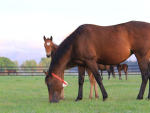
Equine veterinarians say horse owners need to stay alert and communicate with their vets following an outbreak of the highly contagious bacterial disease Strangles in the North Island.
Vets say they support the responsible use of virtual fencing and virtual herding technology for cattle and wants to work with farmers, manufacturers and government to help shape standards for future use backed by ongoing research to strengthen animal welfare outcomes.
Animal owners can help protect life-saving antibiotics from resistant bacteria by keeping their animals healthy, says the New Zealand Veterinary Association.
Around 97% of New Zealand pet owners value the care provided by their vet teams, but the broader contribution of animal health professionals to society often goes unseen, a new study has revealed.


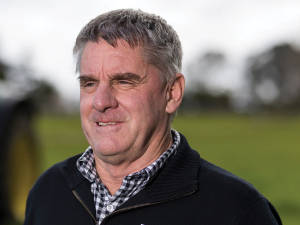
Federated Farmers has welcomed new rural policies released by ACT, saying they align closely with its own election priorities.

Rural Contractors NZ says proposed changes to land transport rules for agricultural vehicles are a welcome response by the Government to out of date regulations which have seen members hit with huge fines.
Alliance is calling for final applications for its 2027 Graduate Programme, with applications closing on Sunday 25 October.
Decades piloting planes has ensured vet and farmer David Hayes is focused on safety. So, after a serious accident while welding on farm, he is sharing his experience so others can learn from it.
Canterbury milk processor, Synlait Milk has confirmed Leon Fung as its chief executive officer.
OPINION: Making it easier to collect rainwater and use it to grow crops and livestock is a no brainer.


OPINION: It seems Canterbury processor Synlait is still in the doldrums.
OPINION: Get offside with New Zealand First leader Winston Peters at your own peril.




