DairyNZ Resilient Pastures Trial Expands Across North Island
Farms across the upper North Island are trialling different pasture mixes as part of a research programme that aims to build greater resilience into farming systems.




 increase font size
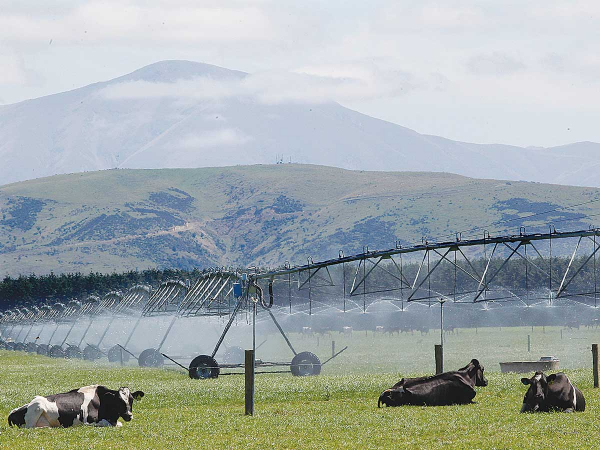 The Government is injecting $10.6 million towards a water storage facility in Raukokore, in the eastern Bay of Plenty.
IrrigationNZ is backing the Government’s decision to inject $10.6 million for a water storage facility in Raukokore, in the eastern Bay of Plenty.
“This funding will be a significant enabler of land-use diversification and high-value production in the area,” chief executive of IrrigationNZ Elizabeth Soal says.
“Currently there are a lot of regions around the country that have been declared to be in drought. Under climate change these extreme weather events are only going to occur more often, however, water storage can make us more resilient during these times”
“Although this funding boost is excellent, there is a real need for our water-related funding and decision-making to be guided by a national strategy. Whether it be related to water quantity, water quality, allocation or infrastructure, such a strategy will create a more resilient and thriving New Zealand” Soal says.
She says water is critical for so many regions, much more than just irrigation, water storage has the potential to creates jobs, reliability, improve waterway health, creates better bio-diversity habitats and overall is a benefit to the economy and wellbeing of communities.
Regional Economic Development Minister Shane Jones says the funding announcement was great news for the rural community.
The landowner Te Whānau a Maruhaeremuri Hapū Trust will use the investment, in the form of a loan, to design and build the water storage scheme for under-utilised, under-developed Māori land.
“This is great news for the rural community. The landowner, Te Whānau a Maruhaeremuri Hapū Trust, will use the investment - in the form of a loan – to design and build the water storage scheme that will act as a catalyst for under-utilised, under-developed Māori land,” Jones said.
“The key focus of this project is to change low productivity land to land that will support high-value horticulture.
“The water storage facility will be key to growth in the primary sector industries, leading to increased jobs in the area.
“The long-neglected eastern Bay of Plenty faces an uphill battle in increasing regional economic growth and the rewards that brings such as higher wages and more job opportunities,” Shane Jones said.
The scheme is intended to help develop 200-300ha of high-value horticultural land, with the capacity to grow to 900ha over time.
A cooperative entity will be established to own and operate the scheme with the water users expected to be shareholders.
Farms across the upper North Island are trialling different pasture mixes as part of a research programme that aims to build greater resilience into farming systems.
Opuha Dam's ability to protect South Canterbury communities from major flooding has taken a significant step forward, with Opuha Water Limited (OWL) successfully commissioning a new outlet valve capable of releasing record volumes of water from the dam ahead of a weather event.
There's been widespread support from the primary sector for the Government's announcement on changes to freshwater farm plans that come under the Natural Environment Bill, which is now set to replace the existing RMA.
A pause on Waikato Regional Council's (WRC) plan change that sets new freshwater rules for farming could be announced in the coming weeks.
OPINION: Staying on Plan Change 1, NZ First deputy leader Shane Jones took to social media to gain some political points.


Farmer-owned fertiliser company, Ballance Agri Nutrients is welcoming National’s plan to negotiate security agreements with key supplier countries to protect New Zealand-bound products from export restrictions and greater supply chain certainty.

Carrfields has announced the appointment of Stu Hall to the newly created role of chief operating officer, Carrfields Ltd, reflecting the continued growth of their agribusinesses and the need to ensure the company has the leadership capacity and support in place as it pursues the emerging opportunities ahead.
New Zealand's role is not to compete with Indian growers, according to NZ Apples and Pears.
The potato industry is celebrating the success of two rising stars - James Blair, the 2026 Young Grower of the Year and runner-up and innovation award winner, Amber Davy.
Twenty-eight emerging leaders from across the horticulture sector spent two days last month learning valuable skills and connecting with industry experts.
There are five entrants in this year’s Young Horticulturist of the Year, competing in a series of technical, practical, business and leadership challenges.



OPINION: It seems Canterbury processor Synlait is still in the doldrums.
OPINION: Get offside with New Zealand First leader Winston Peters at your own peril.




