Southland Farmer Faces $120k Lamb Loss After Wet Spring
Southland's wet winter and spring will potentially cost Wyndham sheep and beef farmer Ben Dooley between $100,000 and $120,000 in lamb losses.




 increase font size
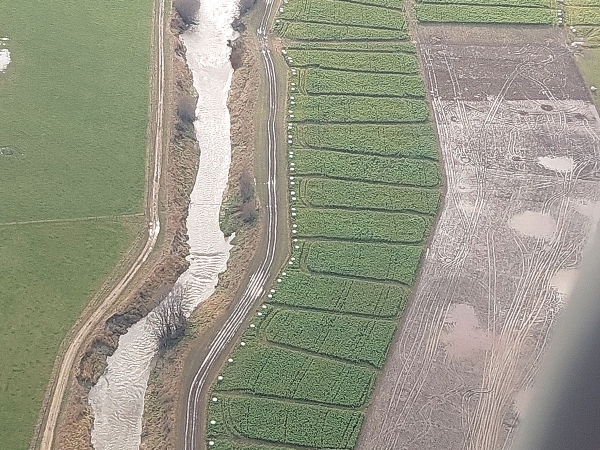 Environment Southland will take to the skies next month for the first aerial compliance inspection of with winter grazing season.
The first aerial compliance inspection of the winter grazing season in Southland will start next month.
Environment Southland acting compliance manager, Donna Ferguson, says the flights were an opportunity to see if the high levels of preparation observed during February and March cultivation flights are being followed by continued good practice.
"Many landowners have undertaken a lot of work and planning to improve intensive winter grazing practices in the region and we hope to see it come to fruitiion during the next few months," says Ferguson.
"Environment Southland is collaborating with farmers and other agencies to improve wintering practices but will take compliance action, where necessary," she says.
Flights are planned for the start of each winter month and will follow paths guided by known areas of concern and incidents reported, as well as locations noted during the cultivation flights.
Roadside assessments, which were introduced earlier this year, will also continue through the winter months.
The compliance team will follow up on any issues identified during the aerial and roadside assessments.
Anyone who sees something they're concerned about environmentally should get in touch with Environment Southland directly, it says.
"We will then be able to assess the issues raised, provide advice and follow up with the landowner if necessary," Ferguson says.
"Providing advice and education is a high priority for the compliance team because our past experience has shown that the best outcomes come from working with others."
The compliance team will be accompanied by staff from the Ministry for Primary Industries, Covid-19 protocols allowing, to inspect the animal welfare side of winter grazing.
Southland's wet winter and spring will potentially cost Wyndham sheep and beef farmer Ben Dooley between $100,000 and $120,000 in lamb losses.
Managing feed by sticking to a firm plan has helped the Southern Dairy Hub (SDH) demonstration farm survive an extremely wet winter, says the farm's acting general manager Greg Delaney.
Farmers across parts of Southland and South Otago are continuing to deal with difficult conditions after a prolonged run of wet weather, with pressure building around feed supply, stock management, pasture damage, farm infrastructure and everyday workloads.
As farmers begin thinking about establishing next year’s winter forage crops, Beef + Lamb NZ is encouraging farmers to carefully consider what crops they are planting and where.
In Dacre, near Invercargill in New Zealand’s South Island, Bruce Dinnington is running a dairy operation unlike any other.

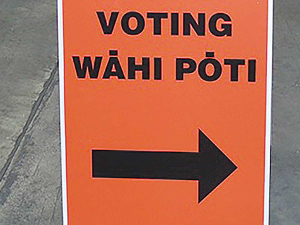
OPINION: As election day looms, rural NZ seems to have pressed the pause button – held somewhat in limbo on an orange light.
Will drones be the answer to tackling the problem of wasp and hornet nests high up in trees and other inaccessible places?
Canterbury milk processor Synlait has come through tough times and is now ready to scale up from a stable base, says its newly confirmed CEO Leon Fung.
NZPork says a ham made in New Zealand is not necessarily made from New Zealand pork.
Rural Contractors NZ says proposed changes to land transport rules for agricultural vehicles are a welcome response by the Government to out-of-date regulations which have seen members hit with huge fines.
With New Zealand’s greenhouse gas emissions in the spotlight, Auckland scientist Nathan Balasingham says there’s a better way to tackle the problem than shrinking cow numbers or fertiliser usage.


OPINION: It seems Canterbury processor Synlait is still in the doldrums.
OPINION: Get offside with New Zealand First leader Winston Peters at your own peril.