Fonterra Elections 2026: Voting Opens Tuesday 20 October
Fonterra shareholders can begin voting on Tuesday 20 October in the 2026 Board of Directors’ election, a Co-operative Council election in one Ward, and seven Annual Meeting resolutions.




 increase font size
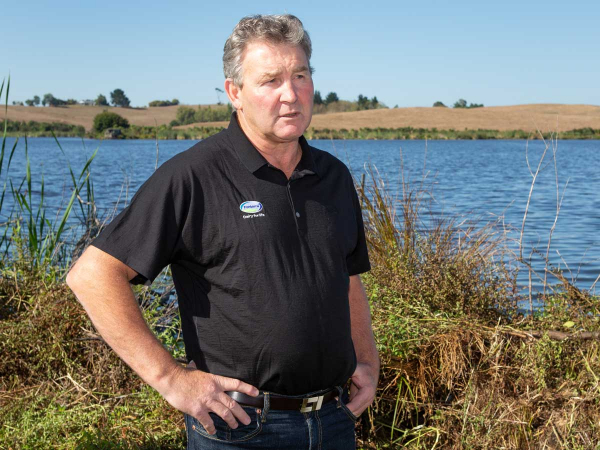 John Monaghan is thanking Government for passing the DIRA amendments before the general elections.
Fonterra says a revamped Dairy Industry Restructuring Act (DIRA) creates “a more level playing field”.
Cooperative chairman John Monaghan says the changes ultimately will keep more of the value created by kiwi dairy farmers back in New Zealand.
In an email to farmer shareholders, Monaghan expressed delight at Parliament approving key changes to DIRA.
The changes to the 20-year-old legislation passed unanimously through Parliament. The biggest change is the removal of open entry and exit provisions and comes into effect from June 1, 2023.
Monaghan thanked farmers who made submissions during MPI’s consultation process.
“With your support, meaningful changes were made to the legislation.”
The open entry provisions relate to a farmer’s ability to freely enter Fonterra and the co-op’s ability to refuse farmers that do not meet its standards.
Monaghan assured farmers that Fonterra will continue to pick milk from supplying farms that changed ownership.
“I reconfirmed our 2017 commitment to Federated Farmers that we will continue to accept applications to supply from all farms that are, at the time of the application, supplying Fonterra, until the remainder of the pro-competition provisions in DIRA fall away.
“This means that even if ownership of a farm changes, Fonterra will accept supply from that farm as long as the supply to Fonterra is continuous and the new owner meets our normal terms and conditions of supply.”
Fonterra will amend its constitution to this effect at its annual meeting in November.
Monaghan thanked the primary production select committee and Agriculture Minister Damien O’Connor “for listening to the views of New Zealand dairy farmers and being open to change”.
He also thanked the Government for prioritising the DIRA legislation and giving the industry certainty before this year’s election.
“This modernised legislation creates a more level playing field for our co-op and ultimately will keep more of the value created by kiwi dairy farmers back here in New Zealand.”
O’Connor says the dairy sector has changed considerably since 2001.
“The amendments we have made to this very aged legislation ensure this regulatory regime puts the sector in the best possible position in a post-COVID world,” he says.
“We want to ensure the DIRA remains fit for purpose in a changing economic and social environment, and continues to deliver benefits for our farmers, consumers, and New Zealand’s economy as a whole.”
The Government is determined to ensure the industry moves milk up the value chain. O’Connor says the changes will enable Fonterra to invest in that higher-value end.
Fonterra shareholders can begin voting on Tuesday 20 October in the 2026 Board of Directors’ election, a Co-operative Council election in one Ward, and seven Annual Meeting resolutions.

Fonterra Co-operative Group chief financial officer Andrew Murray has resigned to take up a role outside the dairy giant.
Four candidates have been confirmed for two director positions on Fonterra’s board.
A record farmgate milk price and strong global demand is laying the foundation for continued growth of organic dairy farming in New Zealand.
Waikato milk processor Tatua has again declared a record milk payout to farmer shareholders, leaving other processors in the dust.


Alliance is calling for final applications for its 2027 Graduate Programme, with applications closing on Sunday 25 October.
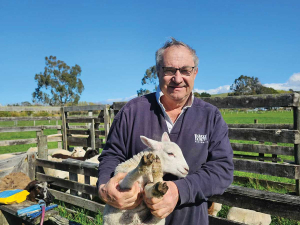
Decades piloting planes has ensured vet and farmer David Hayes is focused on safety. So, after a serious accident while welding on farm, he is sharing his experience so others can learn from it.
Canterbury milk processor, Synlait Milk has confirmed Leon Fung as its chief executive officer.
OPINION: Making it easier to collect rainwater and use it to grow crops and livestock is a no brainer.
As part of its Election 2026 coverage, Rural News asked political parties how they would help pull the arable sector out of the doldrums. Here's what they said:
Farmers are being encouraged to rethink how they manage waste on farm with the launch of ruralwastesorted.co.nz, a new website bringing together practical tips, real farmer experiences and resources.


OPINION: It seems Canterbury processor Synlait is still in the doldrums.
OPINION: Get offside with New Zealand First leader Winston Peters at your own peril.




