Farmers in the district most affected by Mycoplasma bovis are up in arms at the Ministry for Primary Industry’s news that it will boost its efforts to eradicate the disease.
This is expected to bring hundreds more farms under controls over the next few weeks.
MPI said just before Easter that it would increase its activity in the lead-up to autumn and winter stock movements to limit the risk of disease spread and “to give farmers as much certainty as possible heading into this busy period in the farming calendar”.
Mid-Canterbury farmers say it’s already too late.
MPI’s programme director Geoff Gwyn says the ‘surge’ results from increased surveillance, late last year, showing a spike in the number of high-risk properties identified. He says MPI wants to get ahead of the curve before autumn and winter stock movements get into full swing.
“We will contact about 300 farmers as a priority over the next few weeks who have had high-risk animals move onto their property. We expect 250 to have notice of direction movement controls placed on them immediately and, following testing, that 10-12 % may become confirmed properties.”
Gwyn says about two thirds of the properties are beef farms and the remainder dairy.
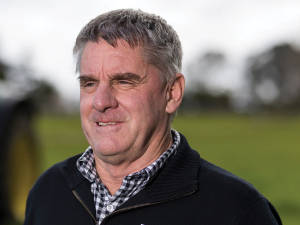
Mid-Canterbury Federated Farmers meat and wool chair David Acland told Rural News that farmers are already starting to move cattle around, for cattle and calf sales, heifer grazing and dairy cows going out to grazing as they dry off.
“We’re coming into a really critical phase and everyone likes to dry off their dairy platforms at a certain cover,” he says. “It’s the same conversation we had last year. The middle of April is too late.”
Acland says many heifer grazing contracts run from May 1 to May 1.
“The timeframe is just too short. By the time they organise meetings and testing and re-testing, all of a sudden you’re crashing into winter.”
He wants to know a specific reason why the surge is happening now.
Carriers are already flat out moving stock, he said.
Acland says it is frustrating when the M.bovis effort has apparently been “trucking along really well” and nothing indicated that the surge was coming.
MPI’s news came just before the Easter/Anzac, which for many people meant just three working days in the following 10.
Although it later emerged that MPI had people working through, it added to the uncertainty and frustration, Acland says.
Last year’s wet spring also meant there was less winter feed around, which reduced flexibility.
Farmers who might now be prevented from sending stock away for grazing might buy in feed, but then fall foul of ECan nutrient limits, Acland adds.
Angela Cushnie, a member of a support group for affected Mid-Canterbury farmers, says the surge news was unsettling for everyone.
She told Rural News her major concern is whether MPI has enough qualified people to ramp up the effort. She doesn’t know of anyone in Mid-Canterbury caught up in the surge.
Time is passing while everyone is waiting to see how it would pan out, she said. “It hangs over everybody.”
Meanwhile, Gwyn says another 800 properties will be contacted about very low-risk animal movements.
“This is a very different category of farm. These properties have had low risk events, like having sent an animal to a property that has become infected, but we need to check. We expect fewer than 0.4% of these properties to become confirmed properties.”
Gwyn emphasises that the surge does not represent an increased spread of the disease, and does not change MPI’s confidence that it will achieve eradication, which requires “that we prevent the movement of high-risk animals before moving day and winter grazing movements. Doing this as soon as possible before moving day will mean less disruption to the farmers involved,” he told Rural News.
“We know that hearing your farm is at risk is distressing for any farmer. We will ensure they are well supported through the process.”
Gwyn expects 12 more months of intensive surveillance, movement controls and depopulation before the bulk of the eradication effort is completed.
“We are now entering a period where we will have to look at a greater number of farms to find a diminishing number of confirmed properties.”