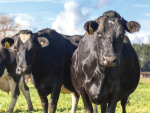
BCS Targets: Why Body Condition Score Matters at Calving
Body Condition Score (BCS) is a critical element in managing the health and reproduction of the dairy herd.




 increase font size
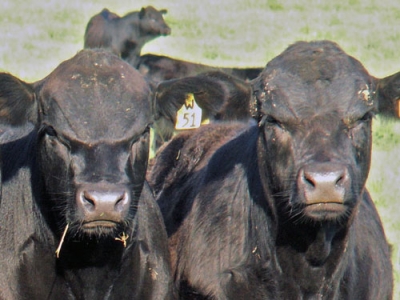
Dairy farmers are being urged to look at breeding the balance of dairy herds (after replacements) to proven beef genetics.
This has the potential to treble calving income for dairy farmers and comes with the reassurances farmers need for animal health and production, says general manager of Angus NZ, Alan Cook.
He was responding to the Beef+Lamb Dairy Beef Integration Programme raising the potential for dairy farmers to significantly increase their income from calves by mating the balance of the herd to proven beef genetics.
Cook says dairy farmers traditionally breed early calving cows to high genetic dairy AI bulls as herd replacements, with the balance of herd often mated to 'run' bulls – either dairy or beef - with unknown genetics.
"Registered beef sires have Estimated Breeding Values (EBVs) which reassure farmers on five critical aspects – short gestation, calving ease, birth weight, temperament and bull fertility.
"Any one of these factors has a material impact on the productivity and profitability of the dairy farm and getting it right – on all counts – is more important this year than before. It's crucial for dairy farmers to only select bulls that have been bred for low birthweight and calving ease"
Cook says farmers have a wide choice of proven beef genetics in New Zealand and says the Angus breed is particularly well suited to the New Zealand dairy beef industry.
"Angus are naturally polled so farmers have a 'marker' which identifies them from dairy calves. "
He says there is demand for more Angus beef.
"The world is demanding more Angus beef and there is a very strong consumer preference in Asia for Angus. Using registered Angus bulls in dairy herds allows NZ to produce the grass fed Angus beef that consumers worldwide want."
Body Condition Score (BCS) is a critical element in managing the health and reproduction of the dairy herd.
For Taupiri dairy farmers Logan and Sian Dawson, their involvement in the NZ Dairy Industry Awards has been a key catalyst in the growth of their business - the experience helping shape how they approach the farm ownership pathway they are pursuing today.
An LIC bull, Tronnoco AR Sadio-ET S3F, bred by Tony and Keri O'Connor of Tronnoco Farming Co Ltd near Timaru, has won the 2026 Mahoe Trophy.
I've written a series of articles for Rural News, starting with 'The Basics of Grazing', then 'Stock Handling', followed up by 'Evaluating Stock Condition'.
Giving calves the best possible start to life has been shown to boost growth and resilience.



Now in its fourth year, the 2026 Fencing Industry Awards, formed part of the proceedings of the FCANZ Conference, held in Nelson during August.
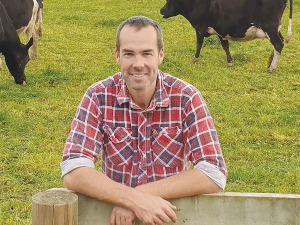
DairyNZ deputy chair Cameron Henderson has been re-appointed unopposed for another term.
OPINION: The stats speak for themselves.
Farms across the upper North Island are trialling different pasture mixes as part of a research programme that aims to build greater resilience into farming systems.
Election years are always a concerning time for farmers, according to DairyNZ chair Tracy Brown.
The Ballance Farm Environment Awards are coming to the West Coast of the South Island.


OPINION: It seems Canterbury processor Synlait is still in the doldrums.
OPINION: Get offside with New Zealand First leader Winston Peters at your own peril.