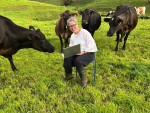
International Day of Rural Women: Two DairyNZ Farmers’ Stories
Today, 15 October, is the International Day of Rural Women, which recognises rural women’s contribution to farming, communities and the environment.




 increase font size
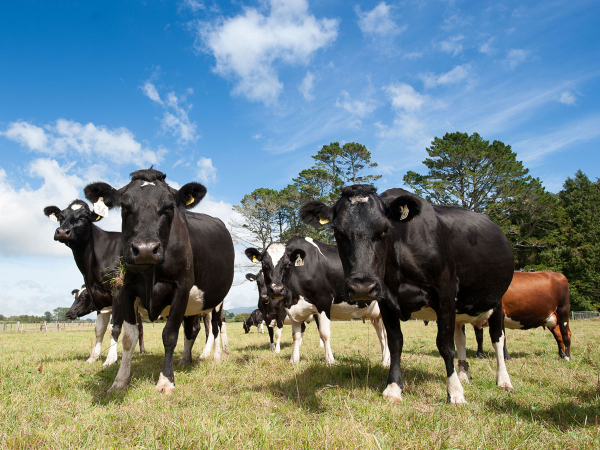 DairyNZ is encouraging farmers to plan for the months ahead, amid increasing costs and an expected El Niño weather pattern.
DairyNZ has updated the national breakeven forecast to $7.78/kgMS, a 27c increase from its previous forecast.
The breakeven milk price is the milk sale price per kgMS to cover the farm’s costs in a season, excluding capital expenditure and principal repaid on loans.
DairyNZ head of economics, Mark Storey, explains that the breakeven figure has been updated based on new pricing information, tax changes and in response to milk price and dividend payment announcements.
“Outside the breakeven milk price, we have seen farm expense forecasts increase, impacting overall costs, while revenue expectations have shifted with high dividend payouts, accompanied by decreasing milk price expectations for the 2023/24 season,” says Storey.
“It’s also important to understand your overall business. The breakeven milk price is one indicator, however operating profit margin, debt-to-asset ratio and return on assets are all part of a farm’s overall business picture.
“Some of these indicators are available on the Econ Tracker, to allow farmers to see how their numbers compare and consider where they may require additional support to get through the season ahead.”
DairyNZ is also encouraging farmers to plan for the months ahead, amid increasing costs and an expected El Niño weather pattern potentially bringing a variety of challenges on farm.
DairyNZ’s general manager of farm performance, Sarah Speight, explains that right now farmers need to focus on growing and utilising as much pasture as possible, as it remains the cheapest source of feed.
“Farmers are faced with high costs, so attention to detail and a focus on financial outcomes ahead of production will drive better business outcomes,” says Sarah.
“This is especially important at this time of year where pasture cover and getting cows back in calf will determine financial and production outcomes, not just for this season, but into next season too.”
The new forecasts are published on the DairyNZ Econ Tracker and expressed as a national average, which does not necessarily reflect individual farm situations.
Farmers can contact their DairyNZ regional team, call 0800 4 DairyNZ, or go online to dairynz.co.nz/budgeting for more information and advice on how to navigate the season ahead.
Today, 15 October, is the International Day of Rural Women, which recognises rural women’s contribution to farming, communities and the environment.
The first major update to the Dairy Cattle Code of Welfare in more than a decade has been released, marking what DairyNZ describes as an important step in ensuring animal welfare standards continue to evolve alongside scientific evidence and on-farm realities.
Have a plan in place for your cows and staff.
DairyNZ deputy chair Cameron Henderson has been re-appointed unopposed for another term.
OPINION: The stats speak for themselves.


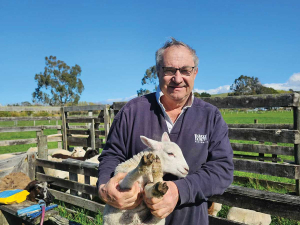
Decades piloting planes has ensured vet and farmer David Hayes is focused on safety. So, after a serious accident while welding on farm, he is sharing his experience so others can learn from it.

Canterbury milk processor, Synlait Milk has confirmed Leon Fung as its chief executive officer.
OPINION: Making it easier to collect rainwater and use it to grow crops and livestock is a no brainer.
As part of its Election 2026 coverage, Rural News asked political parties how they would help pull the arable sector out of the doldrums. Here's what they said:
Farmers are being encouraged to rethink how they manage waste on farm with the launch of ruralwastesorted.co.nz, a new website bringing together practical tips, real farmer experiences and resources.
New Zealand Winegrowers (NZW) is celebrating the India-New Zealand Free Trade Agreement (FTA) coming into force today, bringing New Zealand wine improved access to one of the world’s fastest-growing economies.


OPINION: It seems Canterbury processor Synlait is still in the doldrums.
OPINION: Get offside with New Zealand First leader Winston Peters at your own peril.




