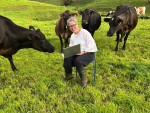
International Day of Rural Women: Two DairyNZ Farmers’ Stories
Today, 15 October, is the International Day of Rural Women, which recognises rural women’s contribution to farming, communities and the environment.




 increase font size
 Tim Mackle.
DairyNZ chief executive Tim Mackle supports the new Interim Climate Change Committee, however he is concerned that it has no member with actual farm knowledge.
“This understanding and experience is vital in order to understand how different mitigations impact on the farm system,” Mackle says.
The six-member committee will he headed by Dr David Prentice, most recently chief executive of the infrastructure firm Opus International Consultants.
The deputy chair is Lisa Tumahai, who is experienced in governance and is a director of Te Rūnanga o Ngāi Tahu.
Other committee members are Dr Harry Clark, a New Zealand expert on agricultural greenhouse gas research; Dr Keith Turner, former chief executive of Meridian and a professional director; Dr Jan Wright, former parliamentary commissioner for the environment; and Dr Suzi Kerr, known internationally for her expertise in the economics of climate change policy and emissions trading.
Mackle says the members’ expertise will move NZ’s economy towards a low emission future.
The interim committee will consider agriculture’s role in meeting NZ’s greenhouse reduction targets and whether agricultural methane and nitrous oxide emissions should face a price in the NZ Emissions Trading Scheme.
“DairyNZ [will help] our levy payers do their part to address on farm emissions,” says Mackle. “The dairy industry must do its part alongside the wider economy to reduce and offset NZ’s greenhouse gas emissions.”
Climate Change Minister James Shaw referred to the members’ expertise in areas related to climate change: agriculture, agribusiness, climate change science and policy, resource economics and impacts, Te Tiriti o Waitangi, te reo me ona tikanga Māori and Māori interests, international competitiveness, and energy production and supply.
“We need work to start now on how agriculture might enter into the New Zealand Emissions Trading Scheme (NZETS), and we need planning now for the transition to 100% renewable electricity generation by 2035,” says Shaw.
An independent climate change commission will be set up under the Zero Carbon Act in May next year.
Today, 15 October, is the International Day of Rural Women, which recognises rural women’s contribution to farming, communities and the environment.
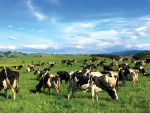
The first major update to the Dairy Cattle Code of Welfare in more than a decade has been released, marking what DairyNZ describes as an important step in ensuring animal welfare standards continue to evolve alongside scientific evidence and on-farm realities.
Have a plan in place for your cows and staff.
For the first time in a quarter of a century, Federated Farmers has something positive to say about the Labour Party’s climate change policy leading into a general election.
DairyNZ deputy chair Cameron Henderson has been re-appointed unopposed for another term.


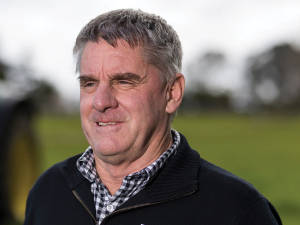
Federated Farmers has welcomed new rural policies released by ACT, saying they align closely with its own election priorities.

Rural Contractors NZ says proposed changes to land transport rules for agricultural vehicles are a welcome response by the Government to out of date regulations which have seen members hit with huge fines.
Alliance is calling for final applications for its 2027 Graduate Programme, with applications closing on Sunday 25 October.
Decades piloting planes has ensured vet and farmer David Hayes is focused on safety. So, after a serious accident while welding on farm, he is sharing his experience so others can learn from it.
Canterbury milk processor, Synlait Milk has confirmed Leon Fung as its chief executive officer.
OPINION: Making it easier to collect rainwater and use it to grow crops and livestock is a no brainer.




OPINION: It seems Canterbury processor Synlait is still in the doldrums.
OPINION: Get offside with New Zealand First leader Winston Peters at your own peril.




