Fonterra Elections 2026: Voting Opens Tuesday 20 October
Fonterra shareholders can begin voting on Tuesday 20 October in the 2026 Board of Directors’ election, a Co-operative Council election in one Ward, and seven Annual Meeting resolutions.




 increase font size
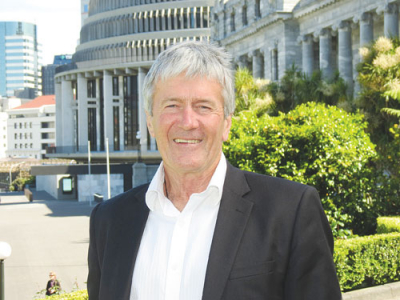 Damien O'Connor.
The Dairy Industry Restructuring Act (DIRA) appears to be preventing Fonterra from effectively managing some aspects of its farmers’ environmental performance, says a discussion document from MPI.
DIRA may also be no longer fit for purpose, in that it provides access to regulated milk for large dairy processors “for whom it may no longer be necessary”.
However, DIRA remains relevant and effective at achieving its core objective of managing Fonterra’s dominance, and was unlikely to be encouraging inefficient industry growth or preventing Fonterra from pursuing a value-add strategy.
MPI says those were its preliminary findings after consulting industry stakeholders in the first stage of a major review of DIRA launched in May.
Agriculture Minister Damien O’Connor released the document at a ceremony on a dairy farm at Outram, Otago, to mark the start of wider public consultation.
O’Connor said our biggest and most important export sector must be fit for the future.
“It’s timely to take a strategic view of the challenges and opportunities facing the nearly $17 billion dairy sector.”
“A productive and sustainable dairy sector that grows value and protects the natural resources it depends upon is vital to our economic prosperity and the wellbeing of all New Zealanders.”
O’Connor said DIRA, which led to the setting up of Fonterra in 2001, regulates the co-op’s dominance in the market to protect the long-term interests of all farmers, consumers and the wider economy.
“The dairy industry was built on the back of the DIRA legislation and it is a significant driver of the industry’s performance.
“The review is looking at open entry and exit obligations, the farmgate milk price settings, contestability for farmers’ milk, the risks and costs for the sector, and the incentives or disincentives for dairy to move to sustainable, higher-value production and processing.
“We need everyone with an interest in the success of the dairy sector to take part in a frank appraisal of the issues.”
Public submissions are invited until February 8, 2019, after which potential legislative changes will be drawn up to go to Parliament.
The document says key legislative areas are open entry requirements, access to regulated milk for dairy processors, the base milk price calculation and the DIRA review and expiry provisions.
Fonterra shareholders can begin voting on Tuesday 20 October in the 2026 Board of Directors’ election, a Co-operative Council election in one Ward, and seven Annual Meeting resolutions.

Fonterra Co-operative Group chief financial officer Andrew Murray has resigned to take up a role outside the dairy giant.
Four candidates have been confirmed for two director positions on Fonterra’s board.
A record farmgate milk price and strong global demand is laying the foundation for continued growth of organic dairy farming in New Zealand.
Waikato milk processor Tatua has again declared a record milk payout to farmer shareholders, leaving other processors in the dust.


Federated Farmers has welcomed new rural policies released by ACT, saying they align closely with its own election priorities.

Rural Contractors NZ says proposed changes to land transport rules for agricultural vehicles are a welcome response by the Government to out of date regulations which have seen members hit with huge fines.
Alliance is calling for final applications for its 2027 Graduate Programme, with applications closing on Sunday 25 October.
Decades piloting planes has ensured vet and farmer David Hayes is focused on safety. So, after a serious accident while welding on farm, he is sharing his experience so others can learn from it.
Canterbury milk processor, Synlait Milk has confirmed Leon Fung as its chief executive officer.
OPINION: Making it easier to collect rainwater and use it to grow crops and livestock is a no brainer.

OPINION: It seems Canterbury processor Synlait is still in the doldrums.
OPINION: Get offside with New Zealand First leader Winston Peters at your own peril.




