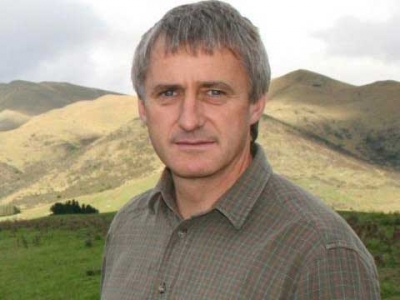
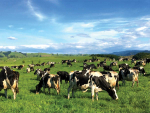
Federated Farmers President William Rolleston says the situation of some dairy farmers in drought affected areas of the South Island is becoming desperate.
He told Dairy News he’s had reports of dairy heifers or cows being returned early and unannounced from dairy grazers who simply didn’t have the feed on their farms to continue feeding the animals. Inquiries by Dairy News suggest this sort of incident is isolated, but is occurring on some farms in the worst hit areas.
Rolleston says this situation puts more pressure on dairy farmers already suffering from the low payout.
“What’s different about this drought compared with the drought three years ago is that the dairy payout then was good and farmers had the flexibility to buy in supplementary feed. But now farmers are asking ‘shall we cull those cows earlier, reduce the size of our herd, retrench, batten down the hatches and sit tight for a couple of years?’ And that is the appropriate response.”
Rolleston says Feds still has an active drought committee and is monitoring the situation along with the added problems of a lower dairy payout. It is watching closely the issues farmers are likely to face in the coming months and what support they will need to deal with stress and their overall mental health.
“And we are talking to banks and making sure they understand the cyclical nature of farming: that dairy farmers get a payout of $8.50 one year and all the banks love them, then next year they get $4.40. We don’t want the banks to turn around and desert them. To be fair we are not seeing any signs of that, in fact quite the opposite.”
But Rolleston says the public and the NGOs need to understand that while farmers are very keen to do their bit
for the environment, when times are tough they can’t make as much progress as when times are better.
“There needs to be some understanding of that as well. The rate of progress on environmental matters is likely to slow over the next couple of years. That’s the nature of life because farmers can’t do things when they can’t pay for them.”