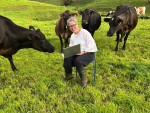
International Day of Rural Women: Two DairyNZ Farmers’ Stories
Today, 15 October, is the International Day of Rural Women, which recognises rural women’s contribution to farming, communities and the environment.




 increase font size
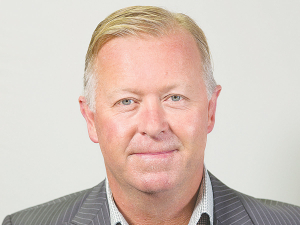
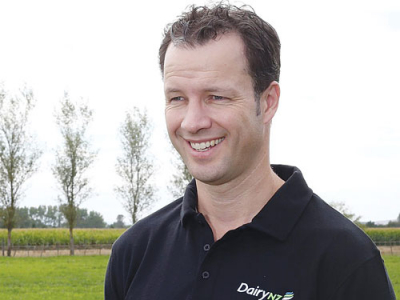 Tim Mackle.
DairyNZ says the industry has a vital role to play in helping transition New Zealand to a low-emissions economy.
“We look forward to the certainty that the Zero Carbon Act, once introduced, will provide the dairy sector,” says DairyNZ chief executive Tim Mackle.
The Government last week launched nationwide public meetings to hear people’s views. Minister for Climate Change James Shaw says momentum is building for the Zero Carbon Bill.
“Communities, businesses, farmers, iwi and ordinary New Zealanders... are already doing what they can to reduce emissions or are ready to get on board and help draw up our plan to reduce NZ’s impact on the climate.”
Shaw will visit National Fieldays on Thursday to talk to farmers and encourage their feedback.
Consultation on the Bill runs for six weeks at 14 regional public meetings. Shaw is expected to attend most of the meetings.
Mackle says all sectors need to be aligned and accountable towards a common goal which will see NZ achieve a low carbon economy.
“The Ministry for the Environment [will] ensure farmers’ voices are heard in the consultation, and we want that to continue and be reflected in the final policy.”
DairyNZ will this month hold regional climate change workshops for dairy farmers, including government officials talking about the Zero Carbon Bill.
“Farmers will gain an understanding of the Zero Carbon Bill and leave the workshops knowing how their farm contributes to NZ’s greenhouse gas profile and how specific initiatives can improve their farm’s broader environmental footprint,” says Mackle.
“Our focus is mitigation and adaptation, but education is the first step [so that] every farmer understands how to run their farm in a way most suitable for their land and region.
“Planning for our future as an agricultural nation requires planning for a different climate while doing all we can to mitigate our greenhouse gas emissions.
“Many farmers are already thinking and working in this way.
“Agricultural emissions are a challenge for the global food sector, and NZ is front-footing this opportunity to show the world it is possible to produce milk in an emissions-conscious way.
“This is our chance to set a global standard.”
Today, 15 October, is the International Day of Rural Women, which recognises rural women’s contribution to farming, communities and the environment.
The first major update to the Dairy Cattle Code of Welfare in more than a decade has been released, marking what DairyNZ describes as an important step in ensuring animal welfare standards continue to evolve alongside scientific evidence and on-farm realities.
Have a plan in place for your cows and staff.
DairyNZ deputy chair Cameron Henderson has been re-appointed unopposed for another term.
OPINION: The stats speak for themselves.


Federated Farmers has welcomed new rural policies released by ACT, saying they align closely with its own election priorities.
Rural Contractors NZ says proposed changes to land transport rules for agricultural vehicles are a welcome response by the Government to out of date regulations which have seen members hit with huge fines.
Alliance is calling for final applications for its 2027 Graduate Programme, with applications closing on Sunday 25 October.
Decades piloting planes has ensured vet and farmer David Hayes is focused on safety. So, after a serious accident while welding on farm, he is sharing his experience so others can learn from it.
Canterbury milk processor, Synlait Milk has confirmed Leon Fung as its chief executive officer.
OPINION: Making it easier to collect rainwater and use it to grow crops and livestock is a no brainer.

OPINION: It seems Canterbury processor Synlait is still in the doldrums.
OPINION: Get offside with New Zealand First leader Winston Peters at your own peril.




