International Day of Rural Women: Two DairyNZ Farmers’ Stories
Today, 15 October, is the International Day of Rural Women, which recognises rural women’s contribution to farming, communities and the environment.




 increase font size
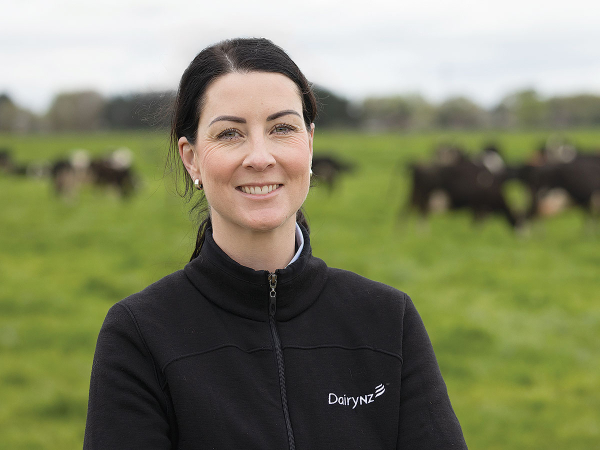 DairyNZ head of regional teams, Claire Bekhuis.
Dairy farmers are faring well despite data showing above average temperatures for most of the country.
DairyNZ head of regional teams, Claire Bekhuis, says that dairy farmers are doing well although the weather has varied from region to region.
“The Waikato and Bay of Plenty have experienced some summer rain combined with good growth conditions, season to date, meaning there is lots of feed available as well as supplementary feed on hand,” Bekhuis says.
She says that patches in the South Taranaki and Northland regions are experiencing relatively dry conditions, impacting pasture growth and day-to-day operations.
She says these regions are being watched and regularly assessed to see whether or not conditions worsen.
The rest of the lower North Island is experiencing relatively normal summer temperatures and has seen some rain in recent weeks, meaning that while those regions are slightly dry, it is not at a concerning level.
Bekhuis says in the South Island, conditions are similar, with Canterbury experiencing recent rain and Southland seeing consistent grass growth in the past month. However, the latter is still impacted by the extreme wet conditions that hit the region in the spring.
“While conditions are comfortable for most dairy farms right now, we are only halfway through summer, and conditions may change in the coming weeks,” she says.
“It is key for farmers to constantly assess and monitor their situation, and plan on how to handle feed, reduce stress and minimise the impacts on next season.
“This could include JESSICA MARSHALL DairyNZ head of regional teams, Claire Bekhuis. “While conditions are comfortable for most dairy farms right now, we are only halfway through summer, and conditions may change in the coming weeks.” considering different flexible milking options to reduce pressure on cows, demand on feed and people,” she says.
According to recent data from the National Institute of Water and Atmospheric Research (NIWA), 2024 marked New Zealand’s 10th warmest year on record.
According to NIWA’s 2024 Annual Climate Summary, annual temperatures were above average for much of Northland, northern Waikato, Bay of Plenty, coastal Hawke’s Bay, southern Taranaki, Whanganui, eastern and southern Wairarapa, Tasman, inland northern Canterbury, Banks Peninsula, and eastern Otago.
Today, 15 October, is the International Day of Rural Women, which recognises rural women’s contribution to farming, communities and the environment.
The first major update to the Dairy Cattle Code of Welfare in more than a decade has been released, marking what DairyNZ describes as an important step in ensuring animal welfare standards continue to evolve alongside scientific evidence and on-farm realities.
Have a plan in place for your cows and staff.
DairyNZ deputy chair Cameron Henderson has been re-appointed unopposed for another term.
OPINION: The stats speak for themselves.


A major move is about to get underway to improve the quality and viability of dairy beef and cattle in NZ.
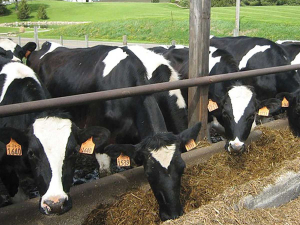
Veterinarians say changes to the code of welfare for dairy cattle provides a positive foundation for improved cattle welfare across the country.
Today, 15 October, is the International Day of Rural Women, which recognises rural women’s contribution to farming, communities and the environment.
Global dairy giant Lactalis has integrated its Australian operations with the Mainland Dairy consumer business it acquired from Fonterra earlier this year.
After almost two decades of sharemilking, saving and building equity, Aaron and Marcia Flay this year realised their long-held dream of settling on their first dairy farm.
Good medium to long term prospects for NZ beef, especially in the US, has heighted the focus on various initiatives to capitalise on this situation.


OPINION: It seems Canterbury processor Synlait is still in the doldrums.
OPINION: Get offside with New Zealand First leader Winston Peters at your own peril.




