DairyNZ is encouraging farmers to lock in the gains achieved in the past two seasons, as a pasture-first farm system will continue to provide payback as the milk price rises.
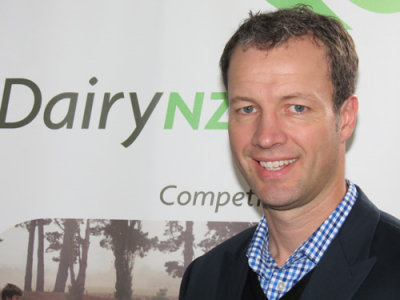
Chief executive Tim Mackle says the increase to $5.25/kgMS for the forecast 2016/17 Fonterra farmgate milk price is terrific news for dairy farmers.
“This brings many farm businesses to around the 2016/17 break-even milk price of $5.05/kgMS, once retrospective payments and dividends are taken into account. This means fewer farmers will need to borrow extra funds this season,” says Mackle.
“Retrospective payments for next year have also been boosted by 20-25 cents in this announcement, to over $1/kgMS.
“Farmers will therefore look at the advance rates and test the effect on their cashflow budget – and winter 2017 will look more promising as the retrospective payments come through.”
DairyNZ’s Tactics campaign continues to work with farmers to improve business returns under the reduced milk price.
“Many farms have developed a disciplined approach to their farm system, having reduced costs and maximised the amount of pasture eaten. Now is the time to continue that focus and regain some lost income,” says Mackle.
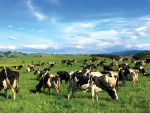
“Making maximum use of pasture is key to any farm’s profitability. With this price increase, it’s important to take the opportunity to lock in the gains made over the recent couple of seasons.
“Most farmers who have debt have added to that debt following the successive cash losses. It’s crucial they keep a focus on generating cash to pay that back.”
Farmers are encouraged to re-run cashflow budgets, talk with their bank and reforecast overdrafts and cashflow for the season.
The Tactics campaign has helped farmers control costs, make timely decisions, utilise pasture and focus on cost-effective systems during the low milk price.
Budget case studies are available online, detailing the financial spending of top-performing dairy farms and helping farmers identify ways to minimise the impact of lower milk prices.
Tactics for Spring events also continue, taking place south of Waikato/Bay of Plenty until early October. These events are aimed at helping farmers manage their pasture during the most productive time of the year.
For more information, visit www.dairynz.co.nz/tactics.