Flood-affected farmers in the South Island are being encouraged to make use of livestock feed support services funded by the Ministry for Primary Industries (MPI).
Widespread flooding across the Canterbury, West Coast, Tasman and Marlborough areas this winter has damaged pasture and caused losses to supplementary feed.
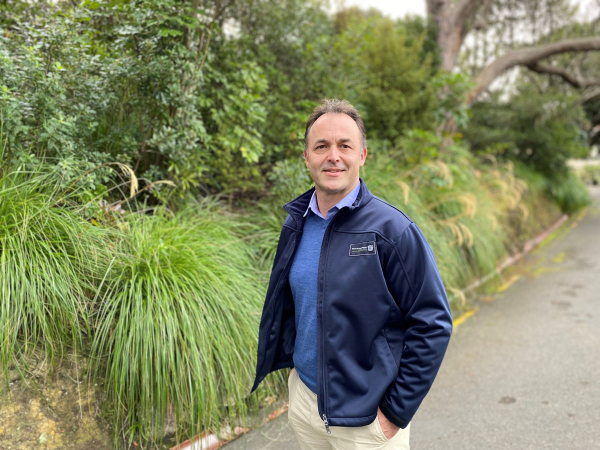
Since June, MPI has boosted feed support services and allocated more than $4.7 million for recovery grants, technical advice and wellbeing support. “Several of these regions had been battling long-term drought prior to the floods which have put further pressure on feed supplies heading into calving and lambing,” said MPI’s director of Rural Communities and Farming Support Nick Story.
“We have ramped up support for farmers, including funding recovery coordinators and establishing a dedicated fund to help clear flood debris from paddocks in Canterbury.”
DairyNZ’s South Island manager Tony Finch is urging farmers to plan their feed requirements
“Having a clear feed plan will be vital for many farmers to get through the next few months, identifying feed requirements to minimise animal welfare issues through a critical part of the seasonal calendar.
“The service supports farmers to calculate their feed demand and supply, investigate options to fill feed gaps and proactively make decisions. In some cases, dairy farmers may have to lease out cows in order to reduce feed demand and get through the season. The important thing is that decisions are made early. Getting your plan down on paper can help give you peace of mind and provide clear direction.”
The Feed Planning Service can help farmers do a snapshot feed plan for the rest of winter and spring in as little as 20 minutes.
MPI’s director of animal health and welfare and veterinarian Chris Rodwell said grazing pasture coated with silt can cause animal health issues and careful management is needed. “We know that animals can develop a range of poor health conditions from silt.
“Farmers are facing challenging conditions and we really encourage everyone who has concerns about the health of their animals to seek advice from their veterinarian.”
To get help from the Feed Planning Service, or to list or source feed or grazing through the Feed Coordination Service, farmers are encouraged to call 0800 FARMING (0800 327 646).