DairyBase and MINDA Link Up to Cut Farmer Paperwork
Farmers can spend less time on paperwork, thanks to a new data sharing agreement between DairyNZ’s DairyBase and LIC’s MINDA software.




 increase font size
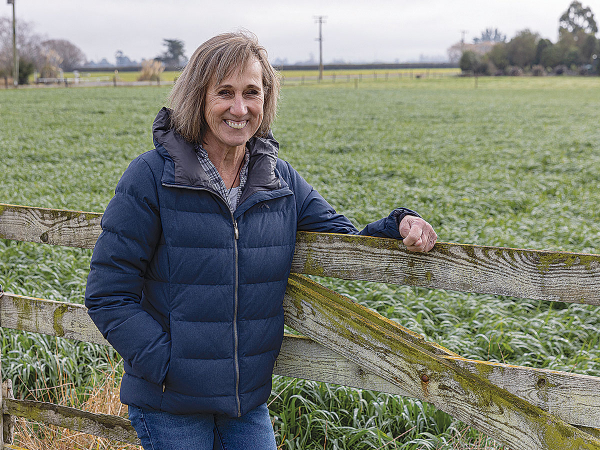 Julie Bradshaw says working with LIC over the last 20 years has paid off.
A strong focus on genetics and DNA has paid dividends for Fernside dairy farmer Julie Bradshaw with four of her cows being selected for the LIC breeding programme.
Julie is participating in a farming innovation project which examines how the next generation of farmers are using innovative approaches to improve their farming practices.
Waimakariri Landcare Trust (WLT) and Waimakariri Irrigation Limited (WIL) have partnered with the Ministry for Primary Industries (MPI) for the project, with support from MPI’s Sustainable Food and Fibre Futures fund along with Environment Canterbury, Ballance, and DairyNZ.
The four cows have been selected for the breeding profile based on their DNA profiles. In the next mating season these cows will be mated to bulls specifically selected by LIC for genetic traits which will complement cows’ traits. The aim is to improve the overall genetic profile of the herd.
“LIC have looked at their mothers and analysed their production during the selection process. Once they have calved, if it is a bull calf then they will genetically test it to determine if it meets the criteria for LIC’s breeding programme.
“DNA testing the calves shows which genes it has inherited from its parents and then they can analyse how well it will perform in the future.”
Over the last 20 years, since Julie first became interested in genetics, technology has become far more precise than when she did the first DNA tests on her herd, and this is providing economic benefits to her farming operation.
“The rate of change with science and technology is amazing. DNA testing is a vital part of our farming operation now and I am glad we started when we did because it has enabled us to have the best herd we can, which is based on science and facts.
“With possible reductions in animal numbers in the future you want to be as accurate as possible. If you are relying on your own calving records, they are generally only about 65 to 70 per cent accurate compared to DNA testing. Calving data is never perfect because you are under a lot of stress when you are calving.
“If you use your own records, you are keeping animals that you think are going to be great, when you haven’t got the animal you think you have in terms of its value to the herd. DNA testing sorts out your mistakes and you avoid spending time and money on a calf that is not going to produce anything once it joins the milking herd.”
Bradshaw’s production worth (PW) and breeding worth (BW) herd sit in the top five per cent of Canterbury herds and just under the top five per cent of all herds nationally, which she says proves that her investment in genetics has enabled her to refine her herd to ensure that she has the best cows.
She says working with LIC over the last 20 years has paid off. “We have all our DNA data for the herd, and it really is the best it has ever been.”
Farmers can spend less time on paperwork, thanks to a new data sharing agreement between DairyNZ’s DairyBase and LIC’s MINDA software.
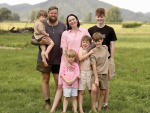
For Taupiri dairy farmers Logan and Sian Dawson, their involvement in the NZ Dairy Industry Awards has been a key catalyst in the growth of their business - the experience helping shape how they approach the farm ownership pathway they are pursuing today.
An LIC bull, Tronnoco AR Sadio-ET S3F, bred by Tony and Keri O'Connor of Tronnoco Farming Co Ltd near Timaru, has won the 2026 Mahoe Trophy.
I've written a series of articles for Rural News, starting with 'The Basics of Grazing', then 'Stock Handling', followed up by 'Evaluating Stock Condition'.
Bovine Viral Diarrhoea (BVD) is estimated to cost New Zealand's dairy and beef industries more than $150 million every year, yet many of the tools needed to control it are already well understood. After more than 25 years in veterinary practice, Andrew Weir, animal health technical specialist at LIC, has seen firsthand the impact BVD can have on herd performance. We asked him about the role of persistently infected (PI) animals and the practical steps farmers can take to reduce their risk.
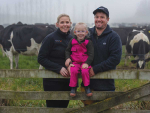
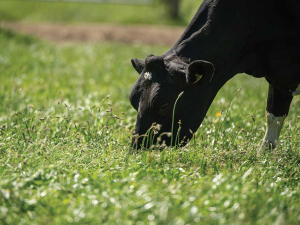
Farms across the upper North Island are trialling different pasture mixes as part of a research programme that aims to build greater resilience into farming systems.
Election years are always a concerning time for farmers, according to DairyNZ chair Tracy Brown.
The Ballance Farm Environment Awards are coming to the West Coast of the South Island.
Most dairy regions around the country have had a pretty good season so far says Tracy Brown.
Rural leader Mark Hooper has been appointed as an independent director to the NZPork board, bringing extensive farming, governance and advocacy experience to the role.

OPINION: It seems Canterbury processor Synlait is still in the doldrums.
OPINION: Get offside with New Zealand First leader Winston Peters at your own peril.