The Bovine Tuberculosis Pest Management Plan is under review and farmers are urged to have their say.
Since the start of 2000, New Zealand has spent $1.2 billion fighting bovine TB and killing the pests -- especially possums – that spread the disease.
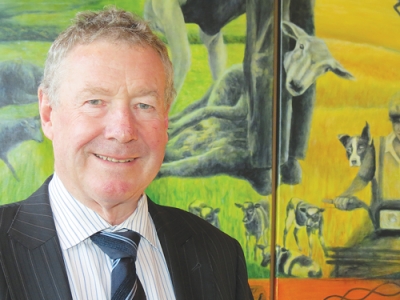
Independent chair of the plan governance group (PGG) Chris Kelly says to protect the health of farmed cattle and deer and our good international trade reputation in animal products, it is critical we maintain low TB rates.
“Equally important are the biodiversity gains achieved by pest [control] funded via the national
TB plan.”
“This year, we need to decide how we continue to do this work. To ensure we get it right, I urge dairy, beef and deer farmers and other interested parties to get involved in the review consultation process. We want to hear people’s views on what the future plan should include.”
During June and July, review workshops will be held in about 30 locations to discuss proposals and get feedback for later analysis. The consultations will begin late June with the release of a public discussion document. Limited farmer surveys will also be done to help get a full range of farmgate views. Submissions will close on July 31.
The discussion document will be seeking feedback on whether the programme to eradicate TB should be faster or slower or kept the same. Views will also be sought on containing the disease at current or lower levels.
Says Kelly, “Because the programme is a significant cost to farmers we want them to understand the issues. Bovine TB has the potential to drastically impact New Zealand cattle farming and international trade. We need to ensure we remain committed and deal with the issue in the smartest way with the ultimate goal being eradication.”
www.tbplanreview.nz