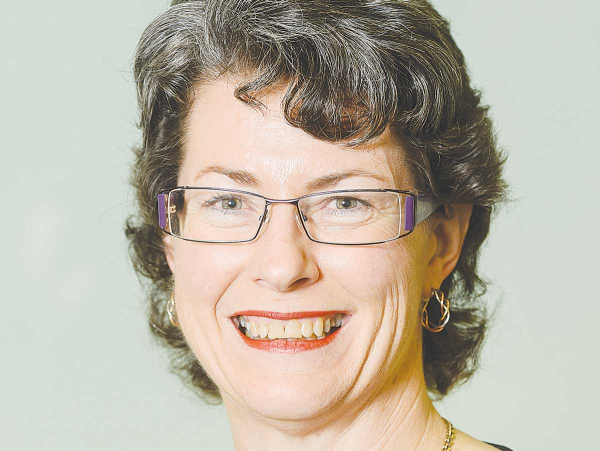
Follow the Government and go early with your on-farm decisions, says Sharon Morrell the head of DairyNZ’s consulting officers in upper North Island.
She says like the government’s decision to go early on COVID-19, farmers should go early to get the best outcome: particularly in areas badly affected by drought and where feed supplies are tight.
Morrell told Dairy News that the biggest issue at the moment for farmers is putting in place practices required to manage safety on farms and maintaining the ethos of not spreading COVID-19.
For some farmers there are employment questions, for example, how do they manage if someone has to be at home or if they are vulnerable, she says.
“And how do they manage if they have got staff who have gone home, for example, to the Philippines and not able to get back?
“There have been a few immigration and employment issues.
“But the biggest impact the COVID-19 restrictions have had is on feed supply and also on processing capacity.
“So on the back of a drought it has complicated things in the way that farmers would normally be managing their feed planning,” she says.
Morrell says getting rid of cull cows when feed is tight is a problem. She says ironically Northland, the region most affected by the drought, is probably the best off in this regard because they have destocked earlier than normal.
“But as you go southwards, this is the time that farmers are traditionally getting rid of culls and this has coincided with the new COVID-19 protocols being introduced into the meat processing plants and they are operating at a significantly slower rate than they normally would. But again a lot will depend on individual companies,” she says.
Communication in the current environment is very important, says Morrell.
DairyNZ has developed templates and resources to help farmers: one of these is called ‘safe on dairy farms’ which is a series of questions which farmers can work through with their teams.
“It includes things like managing vehicles, what to do about spaces in the dairy, like how do we keep two metres apart when we are milking the cows and other related issues. Communication is the biggest part of actually applying those things,” she says.
Job opportunities
Sharon Morrell hopes that the dairy industry can emulate the horticulture sector: providing employment opportunities for people who have lost their jobs as a result of Covid-19.
She says the dairy industry is looking at ways to interest people and equip them to join the sector. The outlook for dairy is positive with the export revenue expected to be up by 6% on the previous year and looking positive for next season as well.
“The sector has a bright future, although the way we do some of the things in the future will change,” she says.
One of these changes is the use of technology. Morrell says DairyNZ has been preparing a lot of resources and looking to connect farmers through technology. Recently DairyNZ’s Waikato team ran a webinar seminar in the evening and about 30 farmers participated.
“Running an on-line format is challenging – especially getting people to engage, but as time goes by and if this situation continues for some time I believe more people will engage in that way.”