Southern Dairy Hub Rides Out Wet Southland Winter
Managing feed by sticking to a firm plan has helped the Southern Dairy Hub (SDH) demonstration farm survive an extremely wet winter, says the farm's acting general manager Greg Delaney.




 increase font size

Despite good levels of rainfall throughout the region, dairy farmers in South Otago and Southland are still managing difficult dry conditions.
DairyNZ regional leader for Otago/Southland, Miranda Hunter, says most farmers have short-term plans in place for the next few weeks, but autumn and winter will be a challenge.
"Pasture growth rates are improving and are now ranging from 19 to 40-plus kgDM/ha/day, but supplements are still being fed on the majority of farms," says Hunter.
She says dairy farmers need to focus on their crops and evaluate what any shortfall means going into winter.
"This has been a challenging season to date, the majority of farmers will be looking at production below budget and increased supplement costs. Good planning will ensure there is not a carry-over impact to next season."
While early winter crops are in a far better position than later crops, DairyNZ recommends farmers seek advice now from their technical field rep to develop a plan and deal with any weed and pests to give plants the best chance.
"A lot of larger plants are carrying pests which are eating new growth as it comes through. Pest management is important," says Hunter.
Farmers are also encouraged to develop a plan for winter, to help prevent the impact of this summer's dry conditions spilling over into next season.
"Identify potential winter crop yield deficit and check with graziers regarding their situation and realistically how many cows they will be able to take. The earlier a plan is put in place, the more options are available."
DairyNZ recommends completing a winter and spring feed budget.
"Calculate how much supplement will be required for autumn, winter and spring and put a plan in place to source it," says Hunter.
"Winter feed is likely to be tight, therefore putting weight on over winter cannot be relied on. Manage body condition score (BCS) over the autumn to dry off at target BCS."
To find out when the next DairyNZ discussion group is held in your area, visit the events section of the DairyNZ website at www.dairynz.co.nz/events. For more information on dealing with dry conditions, visit www.dairynz.co.nz/drysummer.
Managing feed by sticking to a firm plan has helped the Southern Dairy Hub (SDH) demonstration farm survive an extremely wet winter, says the farm's acting general manager Greg Delaney.
Farmers across parts of Southland and South Otago are continuing to deal with difficult conditions after a prolonged run of wet weather, with pressure building around feed supply, stock management, pasture damage, farm infrastructure and everyday workloads.
In Dacre, near Invercargill in New Zealand’s South Island, Bruce Dinnington is running a dairy operation unlike any other.
Kiwifruit growers are watchful but remain optimistic as concerns around the potential effects of the El Niño weather pattern this season.
OPINION: Succession and long-term planning are perennial topics because it is perpetually sidelined on busy farms.


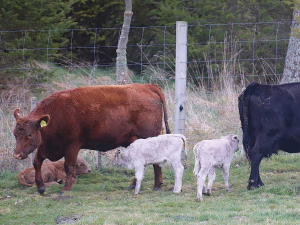
A major move is about to get underway to improve the quality and viability of dairy beef and cattle in NZ.
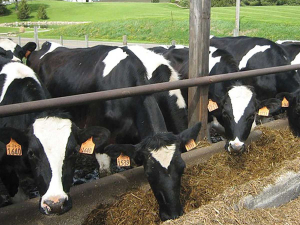
Veterinarians say changes to the code of welfare for dairy cattle provides a positive foundation for improved cattle welfare across the country.
Today, 15 October, is the International Day of Rural Women, which recognises rural women’s contribution to farming, communities and the environment.
Global dairy giant Lactalis has integrated its Australian operations with the Mainland Dairy consumer business it acquired from Fonterra earlier this year.
After almost two decades of sharemilking, saving and building equity, Aaron and Marcia Flay this year realised their long-held dream of settling on their first dairy farm.
Good medium to long term prospects for NZ beef, especially in the US, has heighted the focus on various initiatives to capitalise on this situation.

OPINION: It seems Canterbury processor Synlait is still in the doldrums.
OPINION: Get offside with New Zealand First leader Winston Peters at your own peril.