Fonterra Names Four Independently Assessed Director Candidates
Fonterra Co-operative Group has confirmed the independently assessed candidates standing for election to its board in 2026.




 increase font size

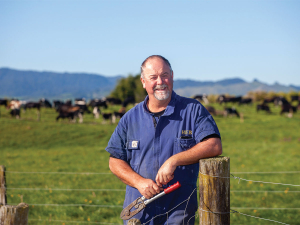
FONTERRA FARMERS are angry and disappointed with the Government’s DIRA proposals, says chairman Henry van der Heyden.
They defy logic – especially the proposal to supply more raw milk to rivals at a subsidised price, van der Heyden heard farmers say at meetings two weeks ago.
“The DIRA proposals are not in the interest of either Fonterra farmers or New Zealand,” he told Dairy News.
“We’ve no problem with competition but it makes no sense for us as Fonterra farmers to do the hard yards producing this milk, and then have to hand it over to companies that ship it straight offshore and pocket the profits.”
Fonterra directors have urged farmers to press their MPs to oppose the reforms. Submissions close February 24.
MAF recommends a three-season limit for independent processors who source raw milk directly from farmers. But it proposes an increase in the total quantity of milk available under the raw milk regulations to about 5% of Fonterra’s milk supply. It also calls for a range of maximum quantity limits for independent processors accessing milk in different months to reflect the seasonal nature of production.
Van der heyden says there is “a real sense of disappointment” among farmers. “They feel that the Government has let them down.”
In presentations to farmers the co-op noted the changes will further penalise Fonterra by about $200 million over the next three years.
“The extra 200 million L you and I will be required to supply competitors each year will head straight offshore as the foreign-owned competitors ship their products to their lucrative overseas markets,” Fonterra told farmers.
The co-op says the Government has ignored the 1500 submissions Fonterra farmers made on the issue during an earlier consultation round. “The proposed changes will handcuff us at home and weaken our ability to help New Zealand compete offshore.
“They screw the scrum further in favour of foreign-owned competitors by requiring us as Fonterra farmers to underwrite and subsidise dairy processors that aren’t interested in making products for New Zealand, and who send their profits offshore. The changes undermine our competitiveness in global markets.”
Fonterra also points out the proposed changes are poorly targeted and miss the people they are meant to help – Kiwi families.
“And all this comes at a time when we’re doing all we can to provide local communities with affordable, accessible milk and free milk in schools. It doesn’t make sense.
“The changes are not good for New Zealand’s economic growth because they will make it harder for New Zealand’s largest company to become
more successful on
the world stage.
“All New Zealanders and the economy will be the losers if the changes to the Raw Milk Regulations proposed by the Government go ahead.”
Fonterra Co-operative Group has confirmed the independently assessed candidates standing for election to its board in 2026.

Fonterra has revised its Farmgate Milk Price forecast for the 2026/27 season, lifting the midpoint and narrowing the range on the back of improving global dairy commodity prices.
OPINION: It seems Canterbury processor Synlait is still in the doldrums.
OPINION: Get offside with New Zealand First leader Winston Peters at your own peril.
Milk powder prices are keeping farmgate prices up, helping processors offset the dip in milk fat prices.


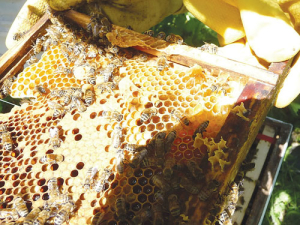
New Plymouth-based Manuka honey exporter Egmont Honey has completed its acquisition of Taihape beekeeping business Tweeddale's Honey, with settlement finalised on Friday, 18 September.
Westpac NZ is calling on farmers and growers to start preparing now for the possibility of a dry summer, as likely El Niño conditions raise the risk of drought across parts of the country.
Fonterra Co-operative Group has confirmed the independently assessed candidates standing for election to its board in 2026.
Fonterra has revised its Farmgate Milk Price forecast for the 2026/27 season, lifting the midpoint and narrowing the range on the back of improving global dairy commodity prices.
New Zealand's citrus growers were challenged to build their future on the value embedded in their fruit rather than the volume they produce, at Citrus New Zealand's annual gathering in Gisborne on 17 September.



OPINION: It seems Canterbury processor Synlait is still in the doldrums.
OPINION: Get offside with New Zealand First leader Winston Peters at your own peril.