A work in progress is how Farmlands chair Rob Hewett describes the rural trader's 2024 annual results.
The farmer-owned co-operative announced a net loss of $14.3 million, which includes a one-off adjustment for previous tax losses of $12.3m. Last year the co-op reported a net loss of $700,000.
"While the $12m tax-related loss doesn't make it any easier to swallow the disappointing result, it's an annual result that's in line with a promise and strategy to deliver greater value to Kiwi farmers and growers and to invest in strengthening the co-operative itself, while also managing through a tough market environment," Rob Hewett told Dairy News.
The annual results include some highlights like the $92m rebate delivered to its 79,000 shareholders.
"The reason Farmlands was set up as a co-op was to be the buying group for NZ farmers and the rural community," says Hewett.
"What our shareholders have received through shelf and card purchase discounts over the year shows the value of being part of a co-op.
"Despite a tough operating environment and reduced revenue, we've given more in rebates back to our shareholders."
Read More
Farmlands' turnover topped $2.5 billion, 3% down on the previous year while revenue was down 8.4% to $740m.
The co-op has completed the first two years of its three-year supply chain transformation.
Hewett notes that while it's been a challenging year, the results show the strategy is working.
"We are seeing significant organisational and customer benefits: the right product range - concentrating buying power - is leading to price reductions.
"In less than 12 months we completed a business-wide range reset and roll-out to ensure we can meet the widest range of customer needs, while also providing us maximum buying power to support better pricing.
"We know that when our farmers and growers have a tough time, we are likely to feel the impact. It's been one of those years. We recognised this early and adjusted our short-term strategy quickly."
Farmlands also reviewed its buying strategy: to better source essential rural supplies with greater efficiency and at the best price, while continuing to deliver quality products. It also launched AgStar - its first own-label range of direct-sourced agricultural chemicals, aimed at providing customers more choice and a better price.
Hewett says Farmlands has been testing the waters with the own-label range and the results are encouraging.
Farmlands chief executive Tanya Houghton points out that its efforts to improve pricing on rural supplies have put an additional $6.9m back in hands of farmers and growers.
"This has been made possible through efficiencies gained from our supply chain transformation, careful inventory management, supplier negotiations and tight operational cost controls.
"Farmlands is becoming a much stronger co-operative than it was 2-3 years ago because of deliberate decisions we've made. Other examples of this growing underlying strength are an improved cash position year-on-year, acquisitions like SealesWinslow and new partnerships such as Fern Energy."
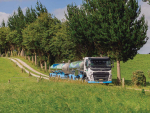
Fern Energy, 50% owned by Farmlands, is the leading bulk fuel provider for the rural sector.
The business generated $647m in revenue, $3.3m in Farmlands profit and a $2.75m Farmlands share of dividends - a significant increase from last year.