MPI launches industry-wide project to manage feral deer
An industry-wide project led by Ministry for Primary Industries (MPI) is underway to deal with the rising number of feral pests, in particular, browsing pests such as deer and pigs.
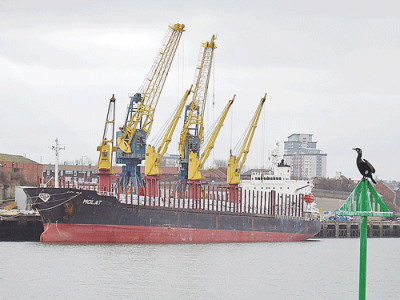
A vessel carrying 23,000 tonnes of palm kernel expeller (PKE) will not be permitted to discharge its cargo in New Zealand.
The Ministry for Primary Industries initially prevented discharge from the MV Molat after finding some of its cargo had come from an unregistered PKE facility in Malaysia. The vessel arrived at Tauranga on 6 September.
MPI’s decision comes after considering an application from the importer to have the PKE treated in New Zealand.
“We spent a lot of time assessing whether there was a solution that would meet biosecurity requirements, but unfortunately nothing ticks all the boxes in terms of mitigating the risk of pests and diseases entering New Zealand,” says Steve Gilbert, MPI Border Clearance Services Director.
In making the decision, MPI considered the amount of product involved, the availability of heat treatment facilities in the region, transport and storage.
“My decision ensures that potentially contaminated PKE will not enter New Zealand,” says Gilbert.
MPI has strict biosecurity requirements for importing PKE. They include heat processing to least 85 degrees and that foreign facilities be approved and regularly audited by the exporting country.
“MPI has a lead role in protecting New Zealand from biosecurity risk. It’s a job we take very seriously,” says Gilbert.
Thirty years ago, as a young sharemilker, former Waikato farmer Snow Chubb realised he was bucking a trend when he started planting trees to provide shade for his cows, but he knew the animals would appreciate what he was doing.
Virtual fencing and herding systems supplier, Halter is welcoming a decision by the Victorian Government to allow farmers in the state to use the technology.
DairyNZ’s latest Econ Tracker update shows most farms will still finish the season in a positive position, although the gap has narrowed compared with early season expectations.
New Zealand’s national lamb crop for the 2025–26 season is estimated at 19.66 million head, a lift of one percent (or 188,000 more lambs) on last season, according to Beef + Lamb New Zealand’s (B+LNZ) latest Lamb Crop report.
Farmers appear to be cautiously welcoming the Government’s plan to reform local government, according to Ag First chief executive, James Allen.
The Fonterra divestment capital return should provide “a tailwind to GDP growth” next year, according to a new ANZ NZ report, but it’s not “manna from heaven” for the economy.
President Donald Trump’s decision to impose tariffs on imports into the US is doing good things for global trade, according…
Seen a giant cheese roll rolling along Southland’s roads?