Revenue from primary exports is predicted to reach a record high of $49.6 billion in the next 12 months - all being equal.
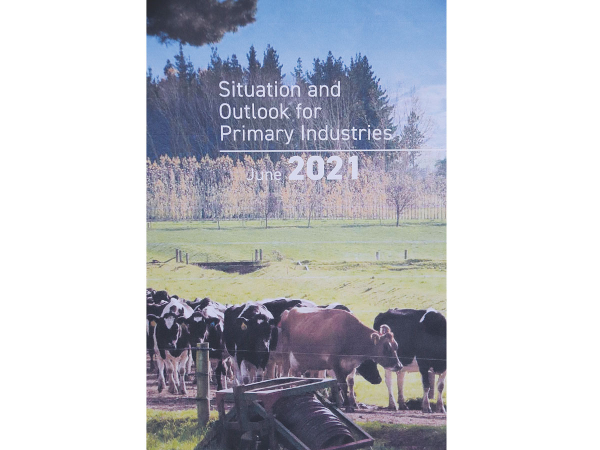
The latest Ministry of Primary Industries (MPI) Situation and Outlook Report for Primary Industries says this is likely to rise to $53.1 billion by 2025, but in the present Covid-19 environment the word 'depends' should also be highlighted.
Released last week at the National Fieldays in Hamilton, the report notes that export returns in th 2020-21 season have suffered as a result of the pandemic with the traditional big ticket earners of except dollars - dairy and meat - down on the previous year. Only horticulture and forestry made any appreciable gains with consumer demand for wine and fruit strengthening and demand by China for logs the same.
For dairy the 2020-21 season was the first full season to be hit by the pandemic and it's not surprising that revenue from dairy took a bit of tumble on the previous season being down by 5.4% to $19 billion in the year ending June 2021. It has been a hard season with disruptions to supply chains and considerable global commodity price volatility. But there are good trends with dairy commodity prices lifting in recent months.
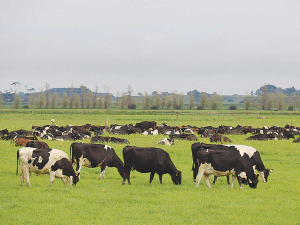
On the home front, favourable weather in most dairy regions in the country saw good pasture growth and overall milk production in New Zealand for the 20/21 season is expected increase by 1.9% on the previous year to a record high of 1,933 million kgMS.
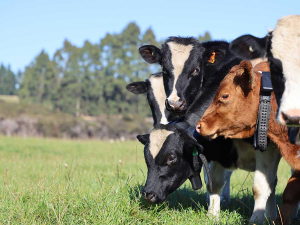
The report describes these results as outstanding given that cow numbers continued to decline - now 4.83 million. In line with this trend MPI believes there will be a small ongoing decrease in the amount of land uses for dairy farming. It says there have been next to no dairy conversions in the past two years and some dairy land is going into horticulture - avocados and kiwifruit - and some into lifestyle blocks. But despite these factors, MPI is forecasting milk solids production for the coming season to rise marginally due to better cow genetics and better farm management practices. In essence, efficiencies on farm are showing up in the statistics.
Although there have been some negative perceptions about China this country remains the primary destination for our dairy products - taking close to 40% of these. What's more the strength or otherwise of the Chinese market virtually dictates the farmgate milk price.
Increased demand by China for our dairy products, says the report, is driven by several factors including their consumers seeking healthy products of which dairy is one. There are also other internal factors in China which have led to that country taking more of our exports. But MPI warns that the long term goal of China is greater self-sufficiency in food and over time that may impact on our trade there.
Overall the report paints a positive outlook for the future, but in a Covid environment certainty is not a word one would use.