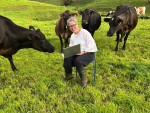
International Day of Rural Women: Two DairyNZ Farmers’ Stories
Today, 15 October, is the International Day of Rural Women, which recognises rural women’s contribution to farming, communities and the environment.




 increase font size
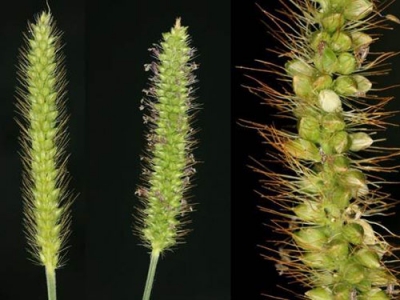 Yellow bristle grass
Farmers are being reminded that this time of year is a peak one for the spread between properties of the damaging pest plant yellow bristle grass.
Waikato Regional Council says a key way of helping prevent its spread is for farmers to avoid grazing stock or making hay from vegetation growing on roadside verges.
"Bristle grass can take over farm paddocks and damage the profitability of dairying so avoiding its spread will help support productivity," says pest plants officer Darion Embling.
Yellow bristle grass is a summer-growing plant with distinctive, cylindrical seed heads with many yellow-tinged bristles.
Seeds can particularly be spread along roadsides by mowers and other mechanical means, as well as in freshly chopped maize silage being moved around. After becoming established on the roadside it can quickly move into farm land, said Embling.
"Yellow bristle grass seeds also pass through animals after being eaten and is spread around farm in dung."
Studies have shown that dairy farms infested by the plant can see a 13 per cent drop in dry matter production, with the cost of supplementary feed required to maintain milk production estimated to be $343 per hectare a year.
Besides not grazing or making hay from roadside vegetation from December to May, Embling offered the following tips to help stop the spread of yellow bristle grass:
· ensure that all imported maize chopped for silage gets into the pit and that loose debris is not spread along the access way and into adjacent pasture
· inspect all incoming hay and machinery unless the source is known to be free of yellow bristle grass
· restrict the feed out of infested hay to areas where yellow bristle grass can be readily controlled
· check that stock being brought in from outside the farm during summer have not grazed yellow bristle grass infested pasture.
For further advice check go to www.dairynz.co.nz/feed/pasture/pests/yellow-bristle-grass or contact Embling at This email address is being protected from spambots. You need JavaScript enabled to view it. or on 0800 800 401
Today, 15 October, is the International Day of Rural Women, which recognises rural women’s contribution to farming, communities and the environment.
The first major update to the Dairy Cattle Code of Welfare in more than a decade has been released, marking what DairyNZ describes as an important step in ensuring animal welfare standards continue to evolve alongside scientific evidence and on-farm realities.
Have a plan in place for your cows and staff.
DairyNZ deputy chair Cameron Henderson has been re-appointed unopposed for another term.
OPINION: The stats speak for themselves.



Federated Farmers has welcomed new rural policies released by ACT, saying they align closely with its own election priorities.

Rural Contractors NZ says proposed changes to land transport rules for agricultural vehicles are a welcome response by the Government to out of date regulations which have seen members hit with huge fines.
Alliance is calling for final applications for its 2027 Graduate Programme, with applications closing on Sunday 25 October.
Decades piloting planes has ensured vet and farmer David Hayes is focused on safety. So, after a serious accident while welding on farm, he is sharing his experience so others can learn from it.
Canterbury milk processor, Synlait Milk has confirmed Leon Fung as its chief executive officer.
OPINION: Making it easier to collect rainwater and use it to grow crops and livestock is a no brainer.



OPINION: It seems Canterbury processor Synlait is still in the doldrums.
OPINION: Get offside with New Zealand First leader Winston Peters at your own peril.




