Talks are underway to allow overseas veterinarians into the country and help ease an acute shortage.
The Government has been warned that a shortage of vets could put the welfare of animals and farmers at risk.
Agriculture Minister Damien O’Connor’s office says he’s aware of the issue and met with the NZ Veterinary Association two weeks ago.
A NZVA spokeswoman told Dairy News it was working with the Minister of Agriculture and officials to resolve the issue.
“We do not wish to discuss it in the media at this stage…we may be able to give you an update in another month or so,” she says.
Veterinarians are on the long-term skill shortage list and the agriculture sector is heavily reliant on the ability of qualified veterinarians to cross the border and work in New Zealand.
One vet told Dairy News that over 20 job vacancies appear every month on their monthly newsletter, VetScript.
He says vet shortages are across the country, both in rural areas and cities.
In rural areas, long working hours and being on call after hours makes it hard to attract the few locals who end up studying veterinary science.
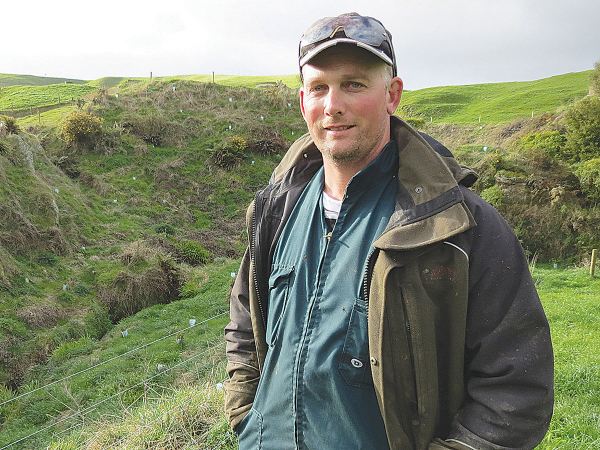
Federated Farmers vice chairman Chris Lewis says they have written to the Government on the issue.
Lewis says this shortage of veterinarians contributes further to the growing issues for the agricultural industry, including a shortage of experienced senior dairy staff, agricultural contractors and shearers, all heavily reliant on labour from overseas.
“Much of New Zealand is still recovering from or in drought conditions, which puts the welfare of animals and farmers at risk,” he says.
“The mental health risk of livestock farmers being unable to adequately feed livestock, perform animal husbandry tasks such as shearing sheep and now potentially facing the inability to access timely veterinarian treatment for their animals is hugely concerning.”
Lewis says employers of these essential skills workers have indicated that they would meet the full cost of quarantine requirements.
He is urging the Government to consider allowing the agriculture sector to bring in overseas workers.
“If undertaken correctly, we consider that these workers would present no greater risk than any other party crossing the border,” says Lewis.
“These workers are all highly aware that any breach of visa requirements would end their employment and jeopardise any future chance of employment in New Zealand.”