Thursday, 14 October 2021 09:55

Birds causing carnage in rural NZ

Written by  Mark Daniel
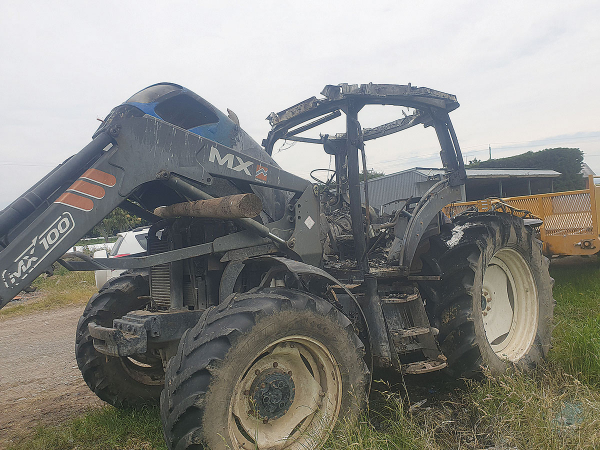
The most common rural insurance claim is tractor fires caused by birds nesting in tractor engines during springtime. The most common rural insurance claim is tractor fires caused by birds nesting in tractor engines during springtime.

Nesting birds are wreaking havoc when it comes to rural insurance, causing more than $4 million in claims over the last three years, says FMG.

The most common claim is tractor fires caused by birds nesting in tractor engines during springtime. Drawn to small dark spaces under the hood, they quickly start building nests of twigs, often near the exhaust manifold, which when the engine is started gets hot, sets the nesting material alight.

FMG manager for advice services, Stephen Cantwell, says it's not uncommon for tractors in these scenarios to quickly go up in flames, especially if the hood is lifted for a closer look, allowing a rush of air to feed the flames, endangering lives and putting buildings and other farm equipment at risk. 

"Our claims data shows nests have also caused fires in other vehicles including cars, utes, diggers, and quads."

Nests can also be a problem in switchboards of buildings, with the resultant electrical fires alongside major disruption particularly in milking sheds. It's also important for dairy farmers to keep birds out of the shed as well to protect their milk storage.

"FMG receives roughly 25 claims a year from birds getting into vats and spoiling milk," says Cantwell.

With spring now upon us, bringing with it, increased nesting activity, FMG is reminding farmers and contractors to not forget to Stop & Pop - so before starting any tractors or self-propelled units, to stop, pop the hood and check for any new nests.

Likewise, it is also good practise at the end work to get into the habit of leaving the hood raised, as it discourages the birds from starting to build a nest.

You can order Stop & Pop reminder stickers for your vehicles at www.fmg.co.nz/advice/sticker-order-form.

Cantrell also suggests you put a reminder in your calendar to check the switchboards in your house and other "powered" buildings, while also noting that bird related claims are not just limited to fires, but also carpet stains, pipes blocked by nests or smashed vehicle and building glass.

www.fmg.co.nz/advice 

More like this

New CLAAS Swath Turner Fixes Twin-Rotor's Blind Spot

Twin rotor swathers have become the ‘go-to’ for forming swaths to feed hungry harvesters and balers, however, the design layout often means that crop located between the two rotors is not picked up, turned over or incorporated into the swath formed for subsequent harvesting.

Motueka Farm Machinery Sold as Sturgeons Retire After 44 Years

Close to the Abel Tasman and Kahurangi National Parks, Motueka is known for apples, pear and kiwifruit orchards, alongside specialised crops such as hops. Indeed, that specialisation, saw the area being the New Zealand centre of the tobacco growing, until the early 1980s.

Can-Am Unveils 2027 SSV, ATV Range With New Defender HD10

Can-Am has introduced its 2027 range of side-by-side vehicles (SSV) and all-terrain vehicles (ATV), including the industry leading Defender, the Maverick R and the hugely capable Outlander ATV, incorporating a host of advancements designed to deliver an exceptional riding experience.

Featured

Southland Farmers Face Wet Weather Toll, Support Available

Farmers across parts of Southland and South Otago are continuing to deal with difficult conditions after a prolonged run of wet weather, with pressure building around feed supply, stock management, pasture damage, farm infrastructure and everyday workloads.

How Wearable Tech Powers This 1,850-Cow Dairy Farm

For Canterbury dairy farmers Sian Meijer and Rick Wobben, wearable technology has become one of their most valuable on-farm tools - helping manage 1850 cows across an expansive, high-performing dairy operation while improving efficiency, mating outcomes and day-to-day decision making.

New Dairy Welfare Code Released, Takes Effect 2027

The first major update to the Dairy Cattle Code of Welfare in more than a decade has been released, marking what DairyNZ describes as an important step in ensuring animal welfare standards continue to evolve alongside scientific evidence and on-farm realities.

National

Machinery & Products

» Latest Print Issues Online

Milking It

» Connect with Dairy News

» eNewsletter

Subscribe to our weekly newsletter