Methionine: More Than Milk Protein
In dairy nutrition, methionine usually comes up in terms of milk protein and production, but this misses a lot of what this essential amino acid is doing behind the scenes.




 increase font size
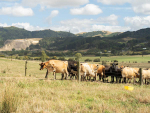
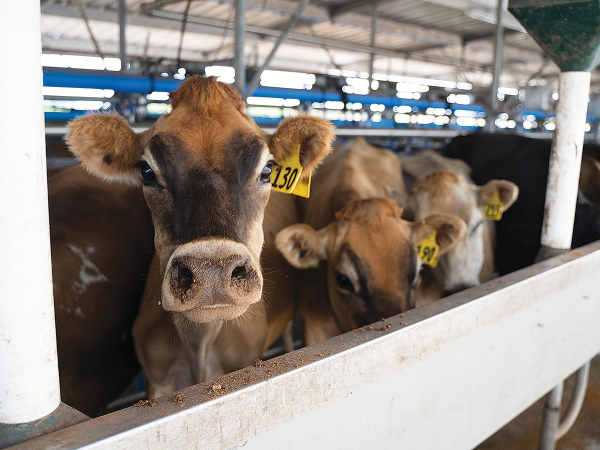 As cows graze close to the ground, they are prone to ingesting FE toxins.
It's a hot, sticky January day. What’s left of the pasture is rapidly going to seed now the season has turned hot and dry. The local vets are reporting rapidly increasing eczema spore counts in the area.
Many NZ farmers are very familiar with the environmental conditions that can lead to a facial eczema (FE) outbreak. In the early stages, when much of the liver damage is occurring, the disease remains hidden.
By the time the disease becomes clinical it can be too late, and sensitive bile ducts can be scarred beyond repair. Many animals can suffer from FE subclinically, only to suffer liver dysfunction many months later, most commonly around calving time.
FE is caused by sporidesmin, a mycotoxin produced by a fungus that thrives in the dead litter at the base of pasture. Warm, humid conditions cause spore numbers to climb rapidly. As cows graze close to the ground, they are prone to ingesting these toxins. If enough of these mycotoxins are ingested, liver damage can occur. A damaged liver struggles to clear phylloerythrin, a by-product of plant chlorophyll digestion. Phylloerythrin builds up in the blood and reacts with sunlight to cause the clinical skin damage typical of clinical FE. Once the liver suffers extensive damage it may not be capable of sufficiently repairing the damaged cells.
FE is a costly disease that quietly shows up in the vat, in body condition and in fertility. In 2019, VetEnt-led research found affected cows lost 0.14–0.35kg milk solids per cow per day. With warmer conditions experienced throughout the world, spores are now being found in almost every region of NZ, even the South Island where FE has never been a problem in the past.
Our best defence against these kinds of losses is to develop an FE management plan well before FE strikes. Central to this plan: checking spore counts and using zinc.
Zinc is the trusted way to prevent FE. Zinc binds to the toxin protecting the liver. But zinc only protects cows; it needs to be in their system before spore toxin levels rise, and it won’t cure affected cows. It’s given as zinc sulphate in water troughs, or zinc oxide by drench, in feed, on pasture or in slow-release capsules. Start dosing early, before high-risk periods.
Get advice
The Agvance team can help you put together a zinc and mineral programme that suits your herd and your preferred mode of delivery. Visit agvance.co.nz to find out more.
In dairy nutrition, methionine usually comes up in terms of milk protein and production, but this misses a lot of what this essential amino acid is doing behind the scenes.
By September, pre-mating heat recording is underway on many spring-calving dairy farms.
There's a common assumption that effective transition cow management is only practical for high-input farms, as controlled rations can make delivery simpler.
When a cow goes down after calving, it is easy to blame the calving itself. Milk fever, calving stress, poor weather, bad luck. Yet many down cows are not caused by one dramatic event. They are the end result of poorly transitioned cows entering calving under nutritional pressure.
The dry period isn’t just a farm holiday but a chance to get your herd match-fit for calving and early lactation. If you treat it as a focused phase of preparation, recovery and capacity building, you’ll see the benefits when the cows return to milk.


OPINION: The World Dairy Summit, held in Auckland last week, delivered a poignant message – when it comes to global trade, the old order has passed away.
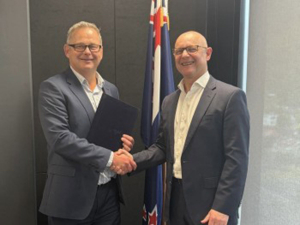
Deer Industry New Zealand (DINZ) has welcomed Government co-investment in a new $10 million programme aimed at increasing the value of New Zealand farmed venison, velvet and co-products and improving returns to deer farmers.
A former Fonterra Brands product, Anlene, is making its return to China.
New Farmlands chair and South Otago dairy and beef farmer, Will Clarke says the co-operative will take the learnings from this week’s annual general meeting to work more closely with shareholders.
Farmlands shareholder and Waitaki Valley sheep and deer farmer, Paige Wills says the co-operative’s board has “a considerable amount of work to do if they want to rebuild shareholder trust and confidence in their governance”.
New analysis from DairyNZ highlights the growing importance of efficiency and cost control in maintaining profitability, with a widening gap between New Zealand’s highest and lowest performing dairy farms.


OPINION: It seems Canterbury processor Synlait is still in the doldrums.
OPINION: Get offside with New Zealand First leader Winston Peters at your own peril.