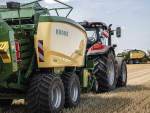
A farming tour demonstrating practical, hands-on practices and skills proved beneficial for a group from Northland iwi.
The tour highlighted the potential of Maori to develop their farms to support the rural and Maori economies.
Forty people from seven Northland iwi visited farming enterprises in the mid-lower North Island recently to see improvements arising from collaboration and better use of resources.
The genesis for the field trip was in work by Murray Jamieson, a farmer and Maori agribusiness strategic advisor for the Ministry for Primary Industries (MPI).
He was mentoring Northland iwi and at the time of the tour was farming there; he has since relocated to Waikato.
“Like all farmers, it’s easier to adopt new practices once you’ve seen them working in the flesh, so I proposed the objective to MPI who agreed on its merit,” Jamieson says.
“Northland Maori agribusiness iwi and trusts were invited to send three influencers or key decisionmakers; we got maximum attendance -- 40 people plus sponsors.”
The field trip was sponsored by MPI, Pioneer, Beef + Lamb NZ, PGG Wrightson, Silver Fern Farms, ASB and Cervus Equipment. It was intended to help achieve MPI’s Maori agribusiness aim to help Maori to sustainably increase the productivity of their assets.
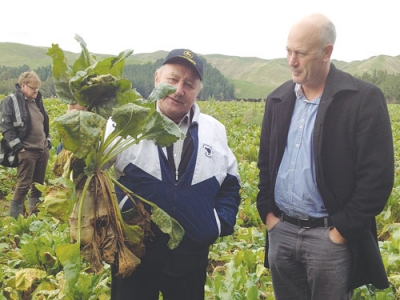
The first stop on the four-day trip was at Palmerston North to visit an intensive beef finishing feedlot with 5000 steers and heifers on 200ha of sand.
“The animals were fed a combination of maize silage, fodder beet, palm kernel and straw. Two staff are employed fulltime to feed and weigh the animals once a week. The weight gain is about 3kg/day/animal. This was a great start, stimulating a lot of questions; it got the delegates thinking outside the square.
“Next stop was Waitatapia Station where we were greeted by Hew Dalrymple, Pahia Turia (Ngati Apa) and Mavis Mullins (Atihau) who talked about the due diligence done to enable their purchase of Flock House farm from AgResearch.”
The delegation visited Te Hou (ex Flock House Farm) to see the new centre pivot irrigation enabled by GPS laser leveling to contour the sand dunes, feedlot and effluent system.
Day two saw the group visit a property which fattens steers on fodder beet over winter to get a higher premium offered by Silver Fern Farms, and then to Otiwiti Station which trains seven-ten young people on the land each year.
“Otiwiti Station is a traditional sheep and beef unit with Romney sheep and Hereford Angus cross cows. They also crop class 6 land for winter grazing, achieving good weight gains. There each visitor had a chance to experience technology that can improve land productivity -- operating a self-steer GPS controlled tractor.”
On day three the group travelled to the central North Island, visiting Waituhi Kuratau Farm Trust’s sheep milking operation then touring the Miraka milk processing plant.
The tour ended at the National Fieldays, Hamilton, including attendance at the ASB breakfast to hear rural economist Nathan Penny.
Jamieson says the field trip formula was a success: the participants said they came home with new ideas for better running their tribal land.
Iwi Reps
- Tapuwae Farms
- Te Komiti
- Ngai Takato
- Waireia Trust
- Otakanini Trust
- Te Rarawa
- Oruawharo Farm
- Wai o te Hau