Taranaki farmers face uncertain outlook despite grass growth after drought
The grass may be growing again in the drought-stricken coastal area of Taranaki, but the outlook for many farmers there is far from rosy.




 increase font size
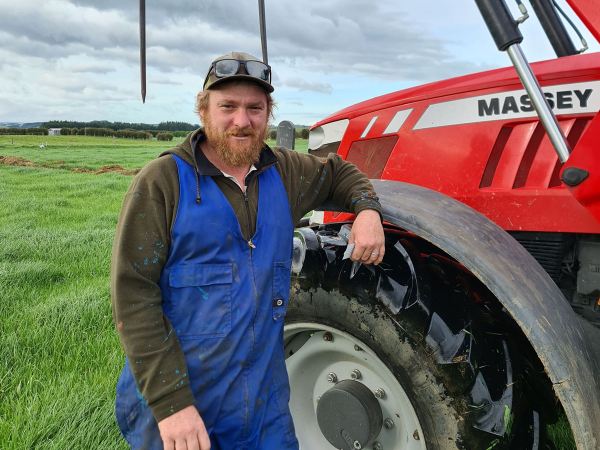 Sam Ebbett
Free workshops focused on managing risk in sharefarming got underway last week.
Organised by Federated Farmers, the event is targeting contract milkers, sharemilkers and farm owners.
The 'Managing risk in sharefarming' events are being held in Morrinsville, Te Awamutu, Hawera, Rongotea, Dunsandel, Waimate, Balclutha and Winton. The first event at Morrinsville Rugby & Sports Club was held last week.
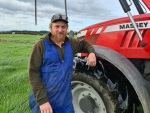
"There are considerable opportunities and benefits in sharefarming, but there are plenty of risks too," says Federated Farmers national sharefarmer chair Sam Ebbett.
"Farmers need to enter into sharefarming or contract milking relationships with their eyes wide open if they want to have a successful business or farming carer."
Federated Farmers is running these events to help farmers better understand what those risks are, and more importantly, how they can be mitigated.
"This is the kind of workshop I wish I had attended before I first went sharemilking. It would have been hugely beneficial for me as a young guy starting out," Ebbett says.
"We'll have all the industry experts in one place offering practical advice on things like contracts, farm assessments, insurance and building strong working relationships.
"If you're looking at getting a sharemilker on next season, or you're thinking of going sharemilking yourself, you should definitely be attending these workshops."
The events are conveniently timed between milkings and will run from 12.30am until 12.30pm with a free BBQ lunch provided for attendees.
"Moving from a farm manager's role into sharemilking or contract milking means you suddenly become a self-employed business owner," Ebbett says.
"This brings a whole lot of new responsibilities. You're essentially now carrying all the same risks as a farm owner, just not quite on the same scale."
He says sharemilkers are particularly vulnerable to fluctuations in the milk price, while contract milkers can get stung with rising costs in a high-inflation environment.
"Suddenly you're employing staff, dealig with health and safety requirements, and navigating environmental and animal welfare responsibilities that all bring risk too.
"These workshops are all about helping people understand those risks and responsibilities, and how they can put in place a plan to manage them.
"Farm progression is so important for the future of our dairy sector, so it's important we provide these opportunities, particularly for the next generation coming through.
"November is when people tend to start making decisions about what they might like to do next season, so these workshops couldn't arrive at a better time."
Workshops are free to attend. For more information, call 0800 FARMING.
The grass may be growing again in the drought-stricken coastal area of Taranaki, but the outlook for many farmers there is far from rosy.
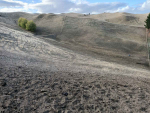
The 'atmospheric river' of rain that swept down the country last week almost completely avoided one of the worst drought-affected regions in the country – coastal Taranaki.

Agriculture Minister Todd McClay has admitted that a scheme bringing workers from Pacific nations to work on orchards has become too hard to navigate but says changes are coming.
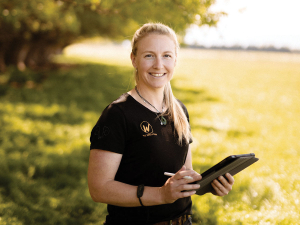
A new app designed in New Zealand aims to help sheep, beef and deer farmers capture, analyse and use body condition score data more effectively.
Canterbury farmer Andy Macfarlane has been appointed to the board of AgriZeroNZ, the public-private partnership designed to accelerate the development and deployment of emissions reduction tools for New Zealand farmers.
For over 50 years Mel Ewers has been supporting the apple sector navigate through compliance and quality assurance issues.
The apple sector is enjoying a bumper harvest season.
Growers and farmers are being encouraged to have an important conversation before the coming season starts: how to prolong the effectiveness of the crop protection tools they rely on.
OPINION: City and regional councils have been put on notice - stop using extreme climate forecasting scenarios that can drive…
OPINION: The Green Party’s rivers and oceans policy may have a new name but nothing else has changed.