BCS Targets: Why Body Condition Score Matters at Calving
Body Condition Score (BCS) is a critical element in managing the health and reproduction of the dairy herd.




 increase font size
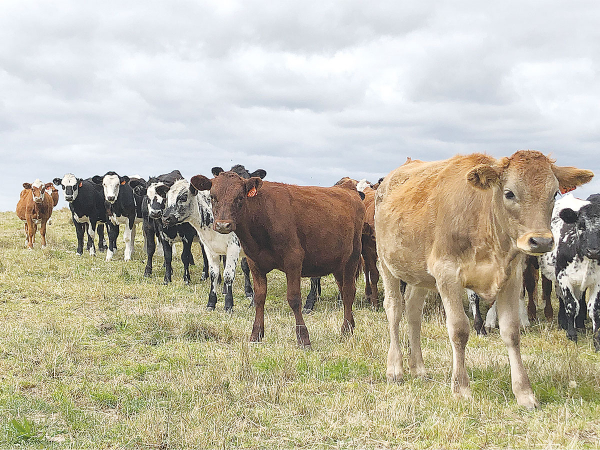 Dairy farmers need to make informed decisions about the non-replacement genetics they choose to use over their cows, says B+LNZ.
Now into its seventh year, the Beef+Lamb New Zealand (B+LNZ) Genetics Dairy Beef Progeny Test (DBPT) continues to create value for both the beef industry and the dairy industry, by identifying and enabling the widespread use of superior bulls for use over dairy cows.
B+LNZ Genetics’ general manager Dan Brier says the aim is to offer easy calving and short gestation length genetics to dairy farmers while finishers still benefit from fast-finishing animals with superior carcase attributes.
The majority of this country’s export beef is derived from the dairy industry and improving the quality of this beef benefits both industries by generating more value at every stage of the supply chain, while reducing calf wastage in the dairy industry.
“Dairy farmers are an important part of B+LNZ and the Dairy Beef Progeny Test generates the information dairy farmers need to make informed decisions about the non-replacement genetics they choose to use over their cows,” he says.
“We entered into partnership with LIC (which helps fund the test) a couple of years ago to ensure that dairy farmers have access to the best bulls coming through the progeny test.”
The DBPT began at Limestone Downs in 2015, where Hereford and Angus bulls with a range of Estimated Breeding Values (EBVs) were tested in a dairy herd to determine how well the progeny performance matched the EBV of the sire.
The EBVs proved to be a good predictor of performance in the dairy beef system, and in 2017, the second stage of the DBPT was established at Pāmu’s Renown farm at Wairakei Estate.
Today, the programme tests the performance of bulls (of any breed) with EBVs that indicate they are likely to be excellent bulls for dairy beef systems.
Calves are reared under commercial conditions and finished at Pāmu’s Orakonui farm at Wairakei Estate.
Bulls tested to date have not caused significant calving difficulty in the crossbred cows they were mated to, indicating that there is a substantial pool of bulls available that could be used with confidence over dairy cows.
It is important to use beef bulls with data (EBVs) where possible to ensure there is less risk of calving problems.
A PhD student who looked at the dairy-farm impacts of using beef bulls in the Dairy Beef Progeny Test at Limestone Downs reported no effect on milk production or rebreeding performance for cows that calved to different beef bulls.
On over 125 bulls - tested between 2016 and 2020 - the genetic effect on gestation length was a range of 13.5 days. Shorter gestation has the potential to add value for dairy farmers, especially when the bulls are used later in the mating period. A shorter gestation will bring a late calver back towards the mean calving date, increasing her chance of conception the following season and more days in milk.
When the calves from those bulls were grown out, the 600-day weight recorded for their progeny had a range of 68kg.
Dan says if the bulls were restricted to a 282-day gestation period or less, the range in 600-day weight was 61kg.
“This indicates that there is huge opportunity to improve the growth potential of dairy beef calves without having to compromise on calving ease or gestational length.”
Summary of Results
A summary of measurements recorded on calves born into the DBPT at Renown:
2018-born calves were ultra-sound-scanned for carcass traits before processing between October 2020 and March 2021.
The majority of cattle (97.6%) graded P2 and 38% of heifers and 24% of steers reached reserved grade under Silver Fern Farms' BeefEQ standard. The weights of all the calves were recorded at 200, 400 and 600 days.
2019-born calves were processed between October 2021 and March 2022. Data from this cohort is currently being analysed and results will be presented in the June 2022 report.
2020-born calves have been run in four groups since weaning (two groups of heifers and two groups of steers). A 200, 400 and 600-day weight has been measured on this cohort of progeny.
This cohort will be processed from Spring 2022.
The first report on 2021-born calves will be released later this month.
The report will cover calving traits (including birth weight, calving ease and gestation length) and age at weaning. All calves have been DNA-samples and parentage profiling is complete.
Mating to generate the 2022-born cohort was completed in November, with calving predicted to start around 21 July.
Body Condition Score (BCS) is a critical element in managing the health and reproduction of the dairy herd.
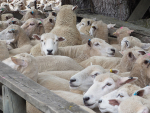
Body condition scoring ewes at least six weeks out from mating can make a significant difference to conception rates and scanning percentages.
TB differential slaughter levy rates are changing with dairy animals paying $12.25/head, an increase of 75c from next month.
There was one outstanding achievement that Sam McIvor can bask in the glory of from his time as chief executive at B+LNZ and that is the much-improved relationships across the wider primary sector.
Hit the ground running this mating with these foundations for success.

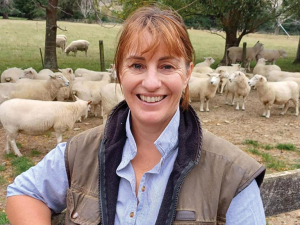
B+LNZ's Wormwise veterinarian Mary Bowron has won the Best Sheep and Beef Vet of the Year Award in recognition of her outstanding contribution to New Zealand’s sheep and beef sector.
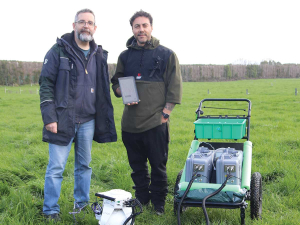
Researchers at Massey University are using a special piece of scientific equipment to improve the measurement of greenhouse gas emissions from pasture soils.
More signs of a booming kiwifruit sector.
OPINION: David Seymour and James Meager's plan to make it easier for farmers and orchardists to operate drones can best be described a 'courageous' move.
New Zealand wool is reaching new heights as air filtration companies move away from synthetic products to biodegradable alternatives.
Opuha Dam's ability to protect South Canterbury communities from major flooding has taken a significant step forward, with Opuha Water Limited (OWL) successfully commissioning a new outlet valve capable of releasing record volumes of water from the dam ahead of a weather event.


OPINION: After hogging the media limelight for telling a NZ Chinese MP to "go back home", Winston Peters has decided…
OPINION: With fuel prices soaring, one would have expected most farmers to be reclaiming excise duty on petrol.