Editorial: Making Water Storage Easy
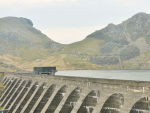
OPINION: Making it easier to collect rainwater and use it to grow crops and livestock is a no brainer.




 increase font size
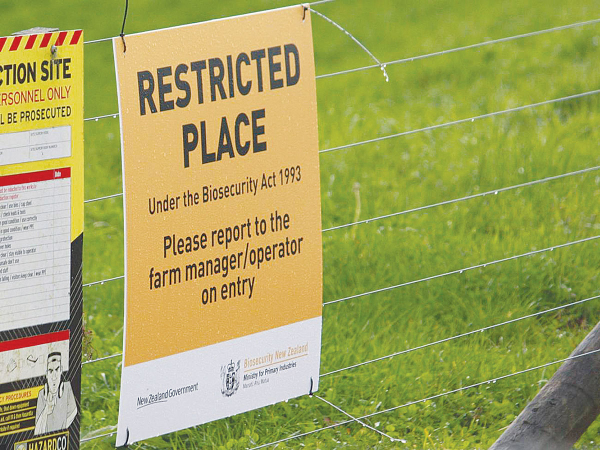 The announcement of zero known cases came near the end of the season, but now with the milk flowing it’s not surprising that the bulk tank milk screening process has detected a case of M. bovis in Canterbury.
OPINION: News of the discovery of a new case of Mycoplasma bovis on a dairy farm in Canterbury should not come as a surprise.
After all, in April when Agriculture Minister Damien O’Connor announced that there were no more active cases in the country, he chose his words carefully with the caveat that more cases may come to light.
The announcement of zero known cases came near the end of the season, but now with the milk flowing it’s not surprising that the bulk tank milk screening process has detected a case of M. bovis in Canterbury. One’s heart must go out to the farmer and family who will be shocked at the news. They now face the terrible consequences of having their herd culled and going through the process of establishing a new herd. That’s tough and in effect they are ‘taking one for the team’.
But what this also highlights is that NZ can ill afford to be lax when it comes to biosecurity. The excellent work of Ministry for Primary Industries (MPI) with its testing programme and the ongoing support for this by DairyNZ and B+LNZ is to be commended.
It is a well-known fact that the thing that worries agricultural ministers the most is biosecurity. Keeping diseases out of the country and taking drastic measures to eradicate them if perchance they slip through our border is pivotal to the NZ economy.
We hear lots of crazy political rhetoric as the election looms – including cutting the staff in the public service. While some of this may be justified, we should hope that no one will be stupid enough to cut public services which are the foundation and protectors of our economy. It is not only the border; it’s at farm level where property owners need to obey the rules that ultimately protect their businesses.
The work done by MPI and other agencies to protect our primary exports must not be compromised to satisfy some political cost cutting fantasy.
Thankfully NZ has managed to avoid any biosecurity catastrophes and this latest outbreak of M. bovis is a warning to everyone to be vigilant in this regard.
OPINION: Making it easier to collect rainwater and use it to grow crops and livestock is a no brainer.
OPINION: New health and safety guidance unveiled by the Government recently provides farmers greater certainty about what is expected of them when managing risks on farm.
OPINION: Have a plan in place now!
OPINION: The stats speak for themselves.
OPINION: David Seymour and James Meager's plan to make it easier for farmers and orchardists to operate drones can best be described a 'courageous' move.


Federated Farmers has welcomed new rural policies released by ACT, saying they align closely with its own election priorities.
Rural Contractors NZ says proposed changes to land transport rules for agricultural vehicles are a welcome response by the Government to out of date regulations which have seen members hit with huge fines.
Alliance is calling for final applications for its 2027 Graduate Programme, with applications closing on Sunday 25 October.
Decades piloting planes has ensured vet and farmer David Hayes is focused on safety. So, after a serious accident while welding on farm, he is sharing his experience so others can learn from it.
Canterbury milk processor, Synlait Milk has confirmed Leon Fung as its chief executive officer.
OPINION: Making it easier to collect rainwater and use it to grow crops and livestock is a no brainer.

OPINION: It seems Canterbury processor Synlait is still in the doldrums.
OPINION: Get offside with New Zealand First leader Winston Peters at your own peril.




